Field Note Nº 02
Field Note Nº 02 · By John Langan · Singapore · July 2026 · Updated August 2026

The New Rules of Excess Tens of millions of consumers are quietly changing shape. Build for who they are becoming.

Bought Eli Lilly stock last month. The trigger was retatrutide, their triple agonist, which just posted 28.3% average weight loss in Phase 3, the strongest number the class has produced. The real story isn't the drug. It's the customer the drug leaves behind.

Subject
The changing economics of indulgence
Market
Singapore & Southeast Asia
Sector
Hospitality, F&B, wellness
Date
July 2026
01

The Crowd
Already Turned

Three waves are converging, and they are going to flatten every business built on food or beverage volume.

Someone who loses a third of their body weight does not just buy smaller clothes. They rebuild their entire week. Where they go, what they eat, who they see, what they drink. Multiply that by tens of millions and you are not looking at a pharma story. You are looking at a new consumer profile.

Health stopped being a deprivation and became a status. The people comparing recovery scores over coffee on Sunday are the same ones who used to be three drinks deep on a Thursday. It is the same crowd, spending the same social energy on the opposite thing.

Pepsi Zero Sugar Zero to one calorie a can
+30.8%
Coca-Cola Zero Sugar Q2 2026, global volume
+16%
CAVA Same-restaurant sales, Q2 2026
+9%
US drinkers drinking less than a year ago YouGov
36%
GLP-1 users buying fewer sweet treats PwC, current users
61%

Coke Zero didn't win because everyone suddenly stopped liking Coke. It removed one of the costs, and the third drink is starting to face the same calculation. Every number above is the same consumer asking: what does this give me, and what does it cost me?

The Ledger

Six drinks, itemised.

Every line, invoiced by morning.
Debit — the next dayCost
01A day's calories−1 day
02Sleep−4 hrs
03Tomorrow's training and recoveryin the red
04Tomorrow's productivityshot by 2pm
Credit — the nightReturn
05Time with your friendsreal
06Blowing off some steamreal
07A story worth tellingwe'll get back to this
08Meeting someone you vibe withless likely than before
That used to be a fair trade.
BalanceClears on a birthday. Bounces on a random Wednesday.

Twenty years ago the hangover cost less, because there was less you were trying to protect, and nobody was measuring it. Now your wrist tells you before you reach for your morning coffee.

02

Then The Drug
Made It Permanent

Diets fail. That is exactly why food and beverage survived every one of them. Atkins, keto, 5:2. The industry waited them out, because the customer always came back. This one doesn't fail.

The Base Rate

Not a fad with a churn rate. A habit with a refill.

11%
Of US adults on a GLP-1 for weight loss
21%
US households with a current user
54%
On it more than a year, up from 38% in 2024
72%
Of users say they now train more, up from 60%

And the science is compounding. Mounjaro made the category mainstream, while orforglipron removes another barrier: a pill, mass-manufacturable, without a needle or cold chain. Retatrutide goes further. In Phase 3, the highest dose produced 28.3% average weight loss over 80 weeks, and Lilly isn't alone. Competition across the category is accelerating.

Nobody in hospitality is planning for a curve that keeps bending.

Weight loss may eventually become only part of the proposition. Semaglutide has already demonstrated cardiovascular benefit, tirzepatide is approved for obstructive sleep apnea, and research continues across metabolic disease and other age-related conditions. The moment these drugs are increasingly prescribed not simply to make people thinner, but to keep them healthier for longer, the addressable consumer changes completely.

Weight loss is a market. Longevity is everyone.

Appetite may not be the end of it either. Randomised trials are now finding reductions in alcohol consumption and craving among people taking semaglutide, which potentially has enormous implications for hospitality. You don't necessarily decide to drink less. You simply want it less. The urge that used to fill the third and fourth round may simply become weaker.

Then there is adherence. The hard part of managing your health was never simply knowing what to do. It was the admin: what should I eat, how much protein do I need, what should I order, why has my weight stalled, what do these numbers mean? That used to require a nutritionist, a trainer and a level of discipline most people don't have. Increasingly, you can ask a machine. Photograph the plate, read the label, interpret the bloodwork, adjust dinner.

Weight management traditionally broke at two points: appetite and adherence. The drug attacks appetite. AI attacks adherence. Both are being engineered out at the same time.

Which is why being at a healthy weight increasingly stops being an achievement and starts becoming a baseline. Once people invest this much effort, technology and money into their health, they become much less casual about trading it away.

The water was already rising. The drug just broke the dam.
03

The Phone Moves
Faster Than
The Pharmacy

Every operator in this region tells me they have time.

The argument goes: 11% is an American number. My crowd is not on Mounjaro. Wegovy is expensive here and niche. This is a US panic on a five year delay, and I will adapt when it actually lands.

It doesn't work like that, and the reason is sitting in their hand.

Millions of people are now getting visible results, and people with visible results make content: transformations, macros, training splits, what I eat in a day, sober Sundays, recovery scores, Pilates, Hyrox, protein everything. More content means more chances for it to land in front of people who have never taken a GLP-1 and never will. They copy the behaviour without the prescription.

A lot of that behaviour looks the same whether the trigger is a GLP-1 or simply trying to lose fat: more protein, fewer calories, less alcohol, more planning. That means several trends are compounding at once and moving consumers in roughly the same direction regardless of actual drug adoption.

Vanity is doing more work here than health ever did, and vanity does not plateau.

Southeast Asia is one of the most social media saturated regions on earth. The behaviour arrives through the phone years before the prescription arrives through the health authority.

That is what makes this tidal rather than cyclical. One trend you can wait out. A demand shift, a drug pipeline and a content engine that feeds both of them do not recede.

Do not size this market by the number of people on the drug. Size it by the number of people who now want to live an aesthetic and healthy lifestyle.

04

Excess Got
Selective

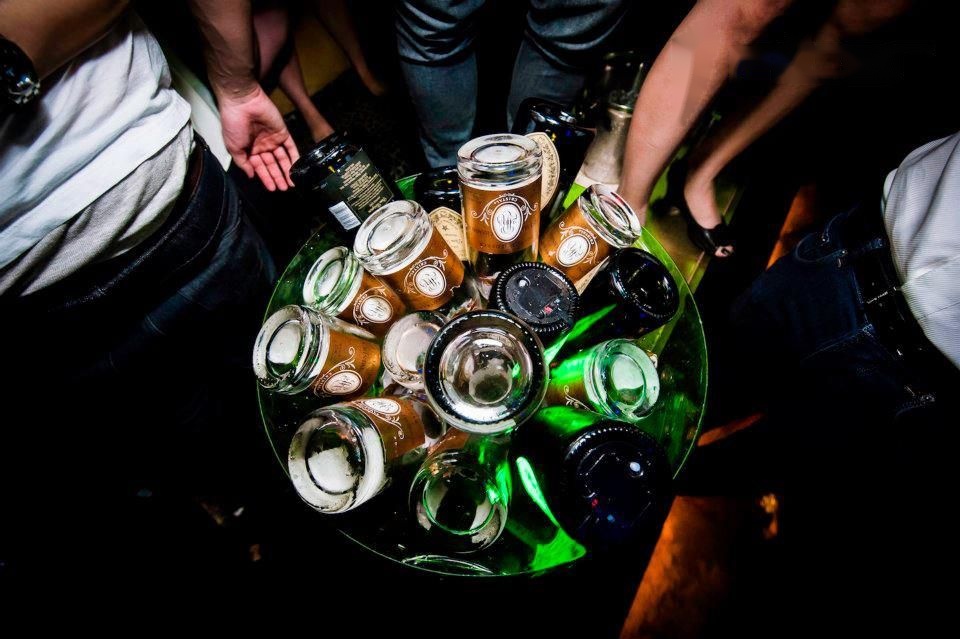
Bottle service at Filter Members Club, Singapore

Champagne trains. Tables stacked with shared dishes at supper. Free flow.

Thirty years of hospitality promotion has been a variation on the word more, and more is what this customer is becoming more selective about.

They still indulge, but indulgence has become a line item: a cheat day, a birthday, a deal closed. Planned, budgeted and earned against a week of deficits, because there is a daily number to hit and everything either side of the blowout is a subtraction.

What gets squeezed first is everything unplanned. The after-work pint. The third round nobody wanted. The extra round because nobody wanted to be the first to leave. The drink you had because you were standing there.

A birthday table outspends a Tuesday ten to one. But there are only so many birthdays, and there used to be a lot of Tuesdays.

People still go big. They're just more discerning about the occasion.

A Hyrox race in Bangkok with a refeed food tour booked for the day after. A State of Trance in Vietnam. A wedding in Bali, then a few days of beach clubs and recovery clubs in Uluwatu. Calories, money and recovery all spent in one hit, and nobody burns all three on something merely fine. Over the top, or bed by ten.

Drinking becomes an occasion, not a default. Fine if you are the venue people choose for the occasion. Deeply problematic if you are not.
05

Who Walks
In Now

01
They count
Calories and protein, both. Every menu is scored against numbers they carry in their head, and many fail the test without knowing it
02
They drink, but only when it is worth it
Two good ones on a night that matters beats six average ones on a Monday. Your beverage margin was built on the six
03
Their money moves around the meal
The class. The recovery. The coffee. The kit. The membership. The treatment. The trip
06

What People
Still Want

For most of modern life, the bar wasn't really about the drink. It was where you went to meet someone, find your people, flirt, celebrate, or just be out in the world. Alcohol helped organize the occasion, but the underlying demand was social.

Two new Singapore openings show what happens when you build around that demand differently.

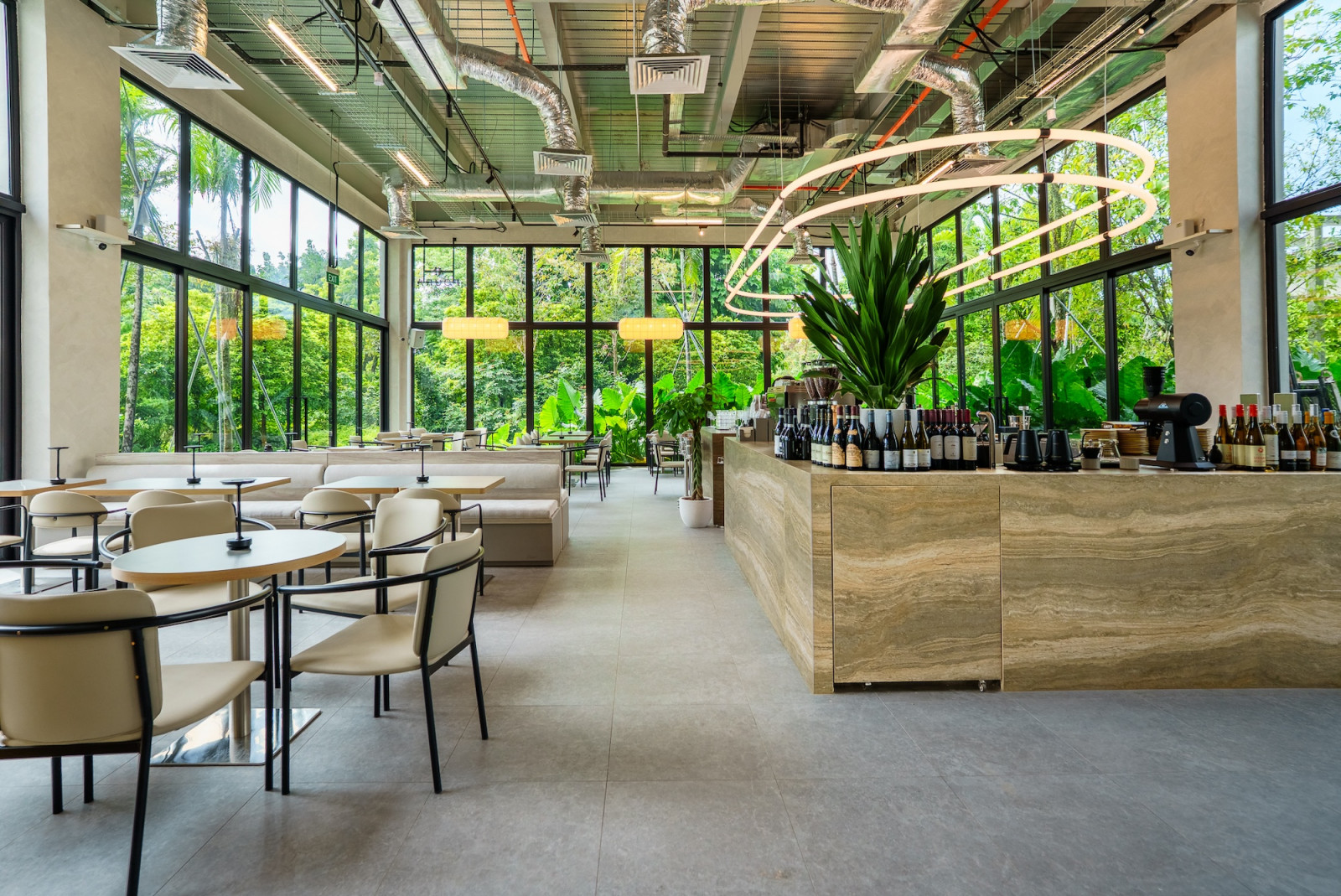
Foura puts Blue Zone-inspired food alongside breathwork, run clubs, Pilates and sound baths, with an explicit ambition to become somewhere people return for shared rituals.

Immersive projection yoga class at Foura, Gardens by the Bay
The glasshouse dining space at Foura

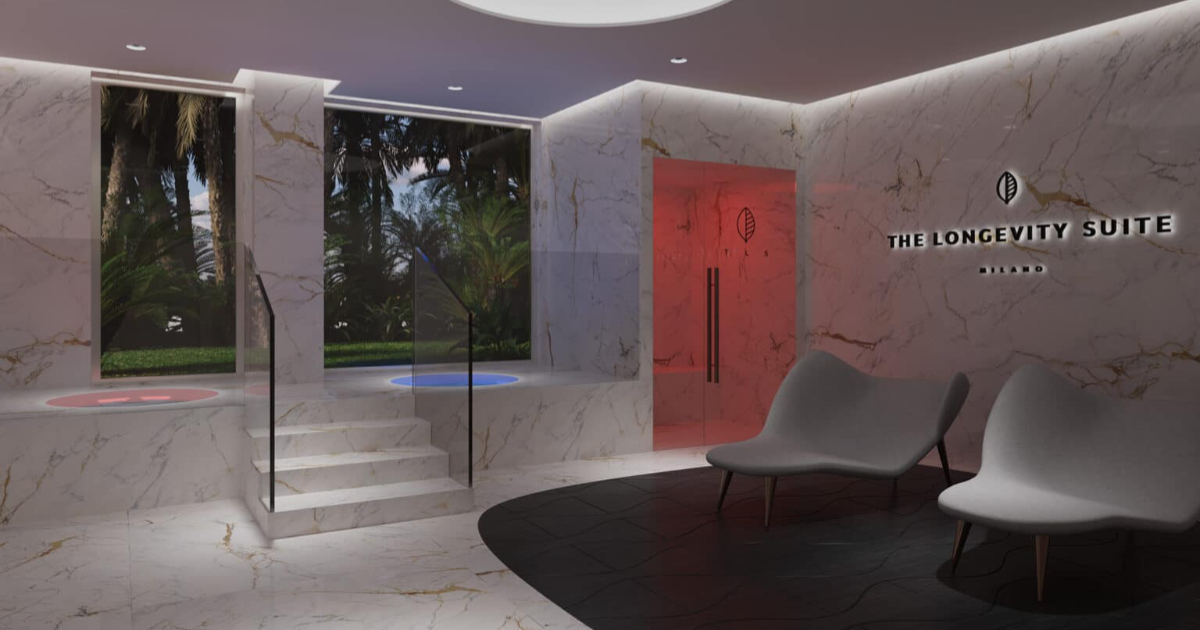
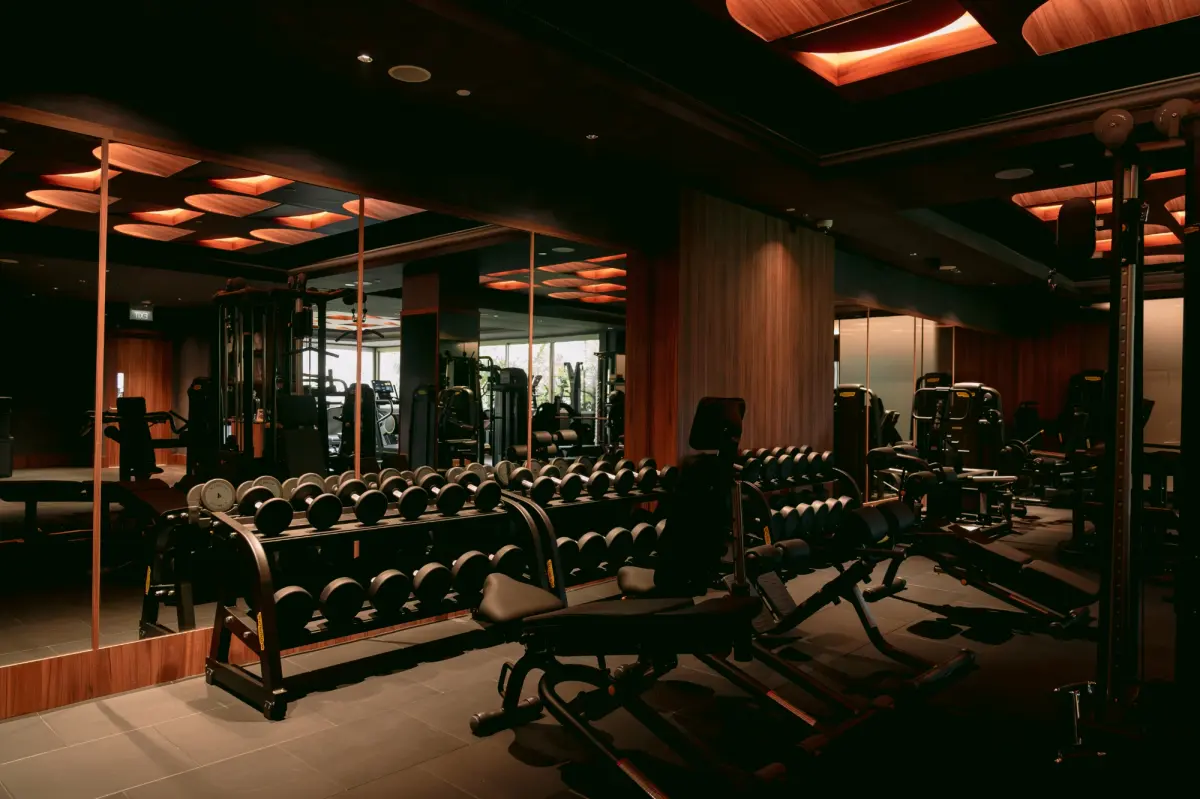
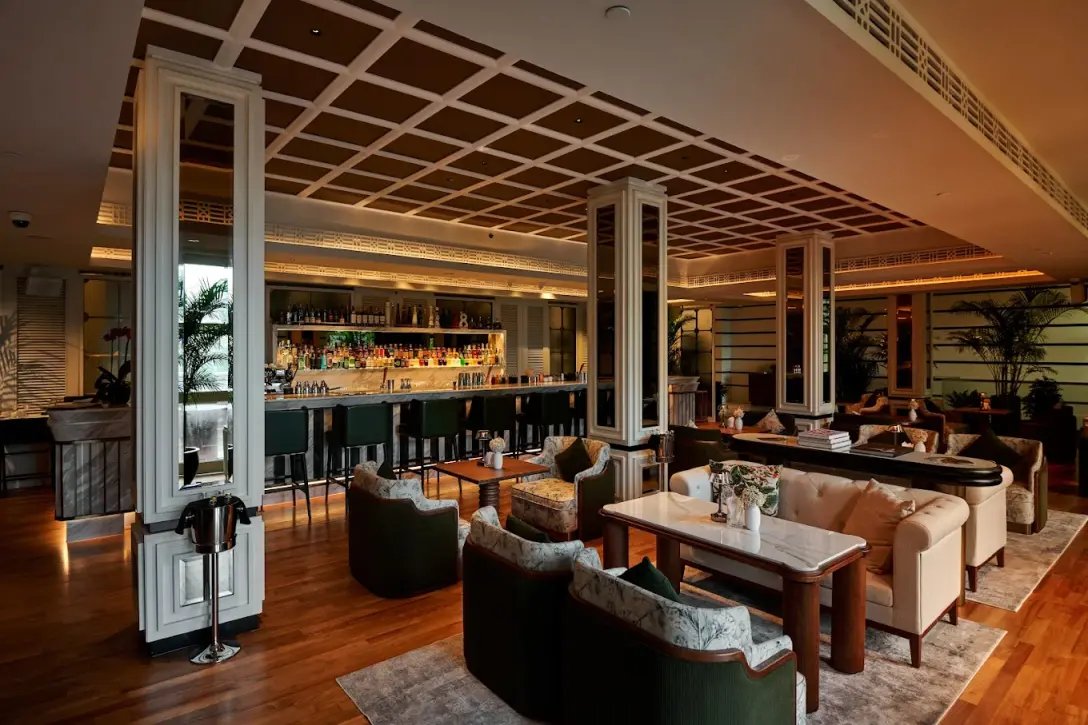
Madison House comes at it from the other end of the market: 37,000 square feet across padel, pools, Technogym, longevity, recovery and hospitality. There is a bar, but it is one part of a much bigger reason to be there.

Madison House pool at Fort Canning, Singapore
The Longevity Suite inside Madison House
The gym floor at Madison House
The members' bar and lounge at Madison House

Different models, same shift. The drink is becoming one part of the occasion rather than the whole reason for it.

§ In Closing

Where does this leave the hospitality space?

It doesn't mean people don't want to socialize. But consumption patterns are changing, and now is probably the best time to look at how you're positioned for the consumer that's emerging.

If you want to have that conversation, that's exactly the kind of work I do through Blue Root.

At Origami Hospitality, we're already building directly for this consumer. Big nights are king, so we ensure excellent service, seamless experiences and over-the-top production to make it worth the splurge for the region's best festivals and live music experiences.

Blue Root builds concepts around who the consumer is becoming, then works backwards.
Share this note

Sources

Disclosure: the author holds a personal position in Eli Lilly (LLY). Nothing in this note is financial advice.

John Langan
Founder · Blue Root
Previous Field Note · Nº 01 Filter Members Club: what happens when you design nightlife around connection.
←
Next Field Note · Nº 03 Wellness Goes Communal: where fitness, wellness and social life started to converge.
→