Finding your people, at the gym
For a long time, fitness was fundamentally individual. You joined a gym to train, did your workout and went home.
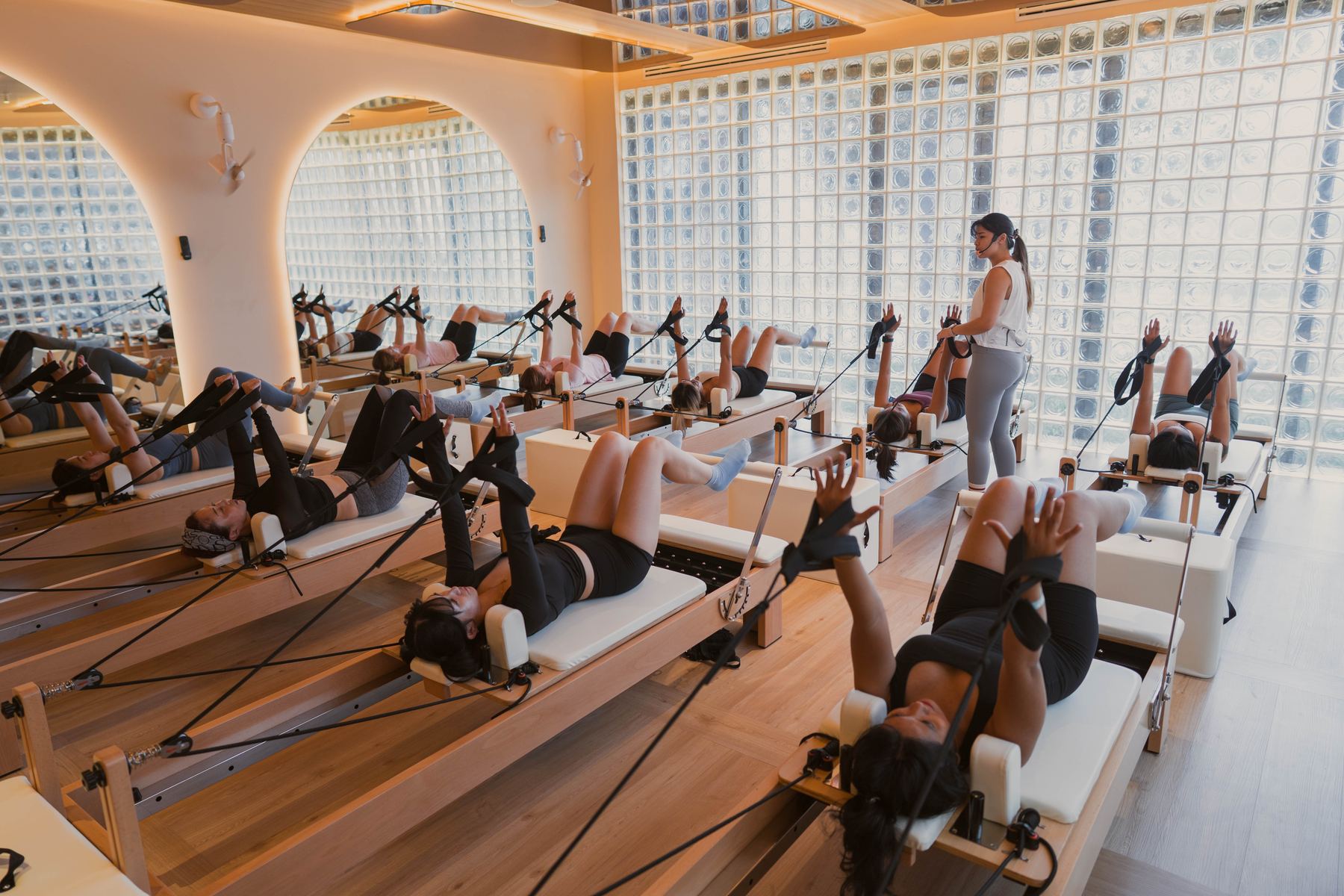
That behavior is changing. People are increasingly building more of their social lives around health, whether that means training together, hiking, running, playing padel or comparing notes on nutrition and recovery.
Babel was already an established premium fitness brand with a pool, a resort-like atmosphere and a strong member base already sharing the same spaces and routines. While the outgoing members naturally found their people, many of us, me included, still trained alone and went home.
Babel's founder had brought me in to shake things up and help elevate the brand. One opportunity I saw was turning all that repeated contact into an actual community.
That became Babel Socials.
What happens when you design for connection as deliberately as you design for fitness?
Building a real community
Putting hundreds of members under one roof doesn't automatically create a community. You still have to give people reasons to interact.
I developed the idea for Babel Socials with Babel's founder and CFO, then worked closely with Danny, who helped shape the programming and lead the day-to-day execution, and later Janat, who took over that role as the program grew. Rather than force everything into one format, we experimented with dozens of activities built around different ways people might want to participate.
Tennis · Golf · Runs · Hikes · Yoga
F1 watch parties · Group outings
Wine · Holiday feasts
Nutrition · Fat loss · Recovery
Sleep · Peptides · Longevity
We brought specialists into Babel to talk about health, performance and longevity, and used member interests and emerging trends to shape everything from golf and hikes to games and other activities beyond the gym.
Eventually there were four to ten things happening every month, both inside Babel and across the city. Babel was starting to feel like more than somewhere you went to work out.
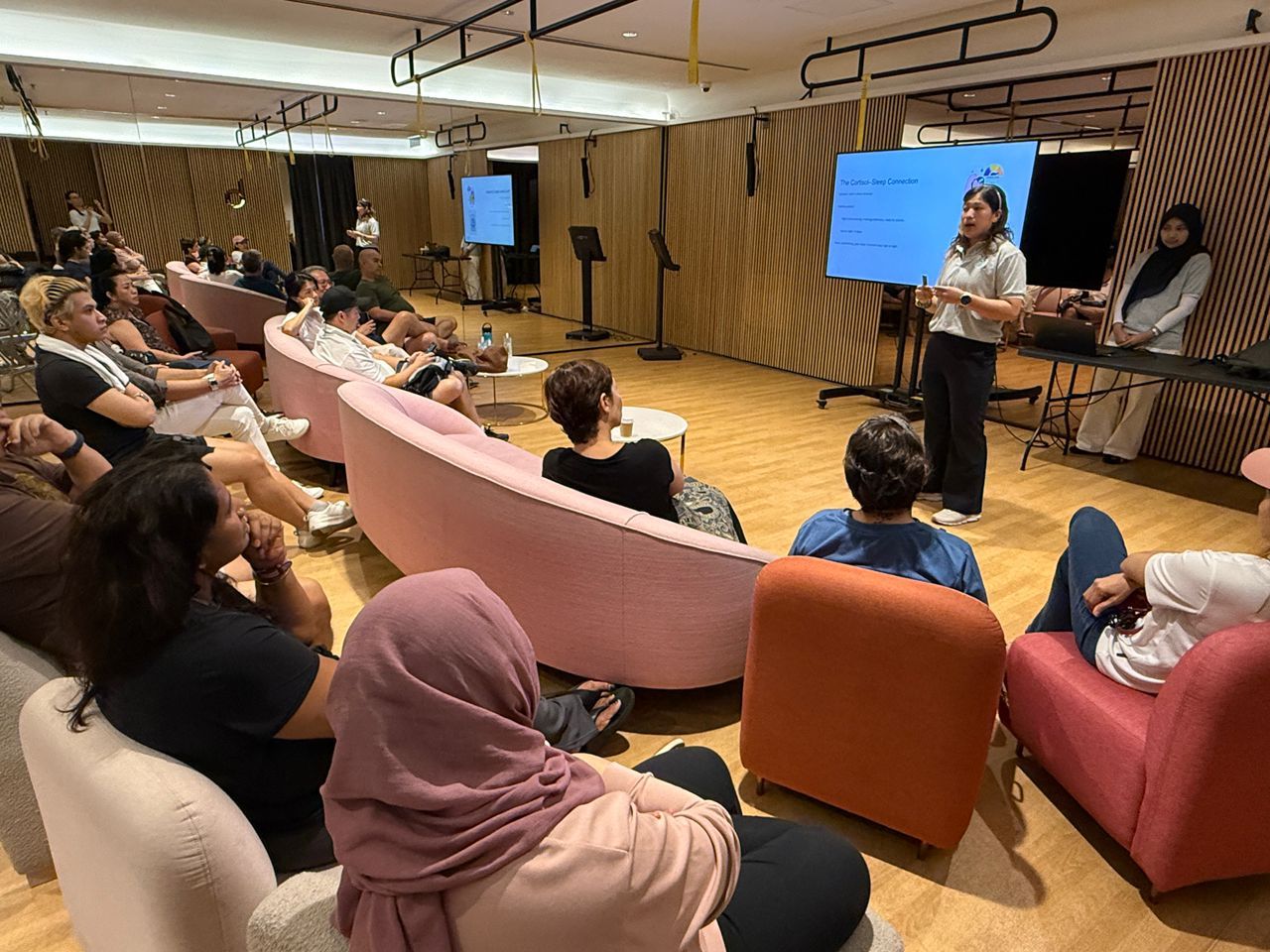
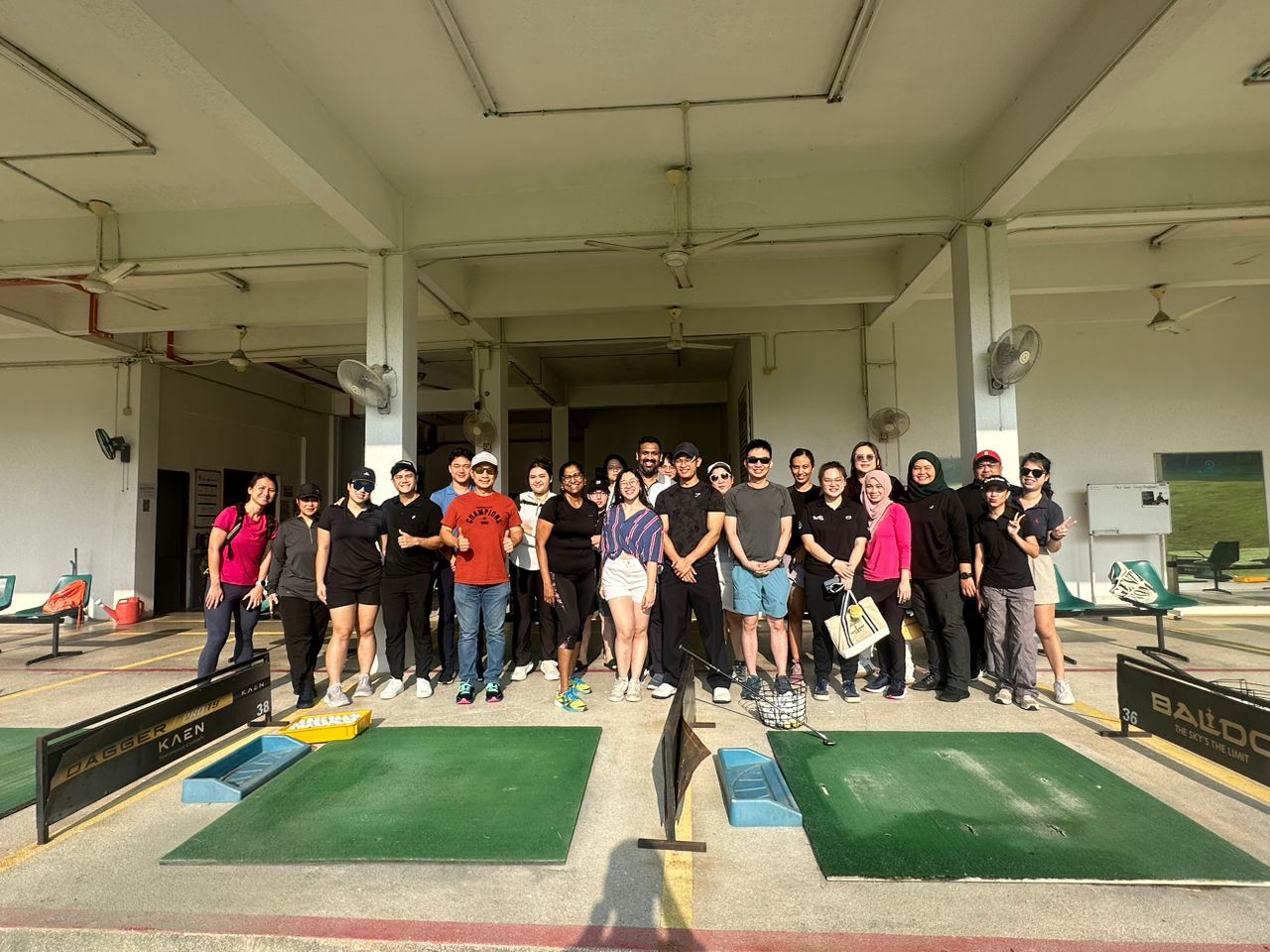
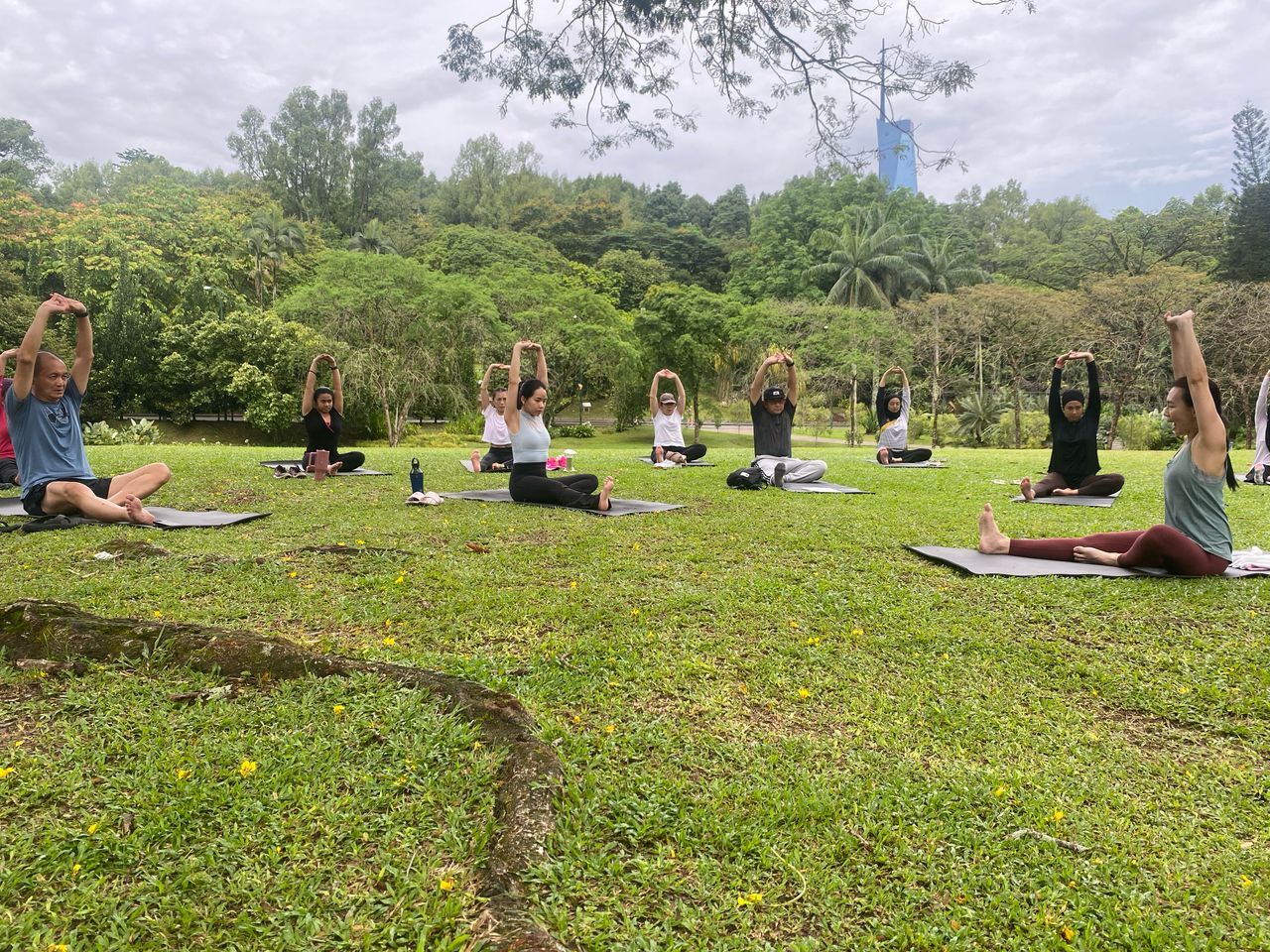
Every event was really an interest group
People connect much more naturally around something they already care about.
Golf people found other golf people. Runners met runners. People curious about longevity met others thinking about the same things. They came for the activity and the relationships formed around it.
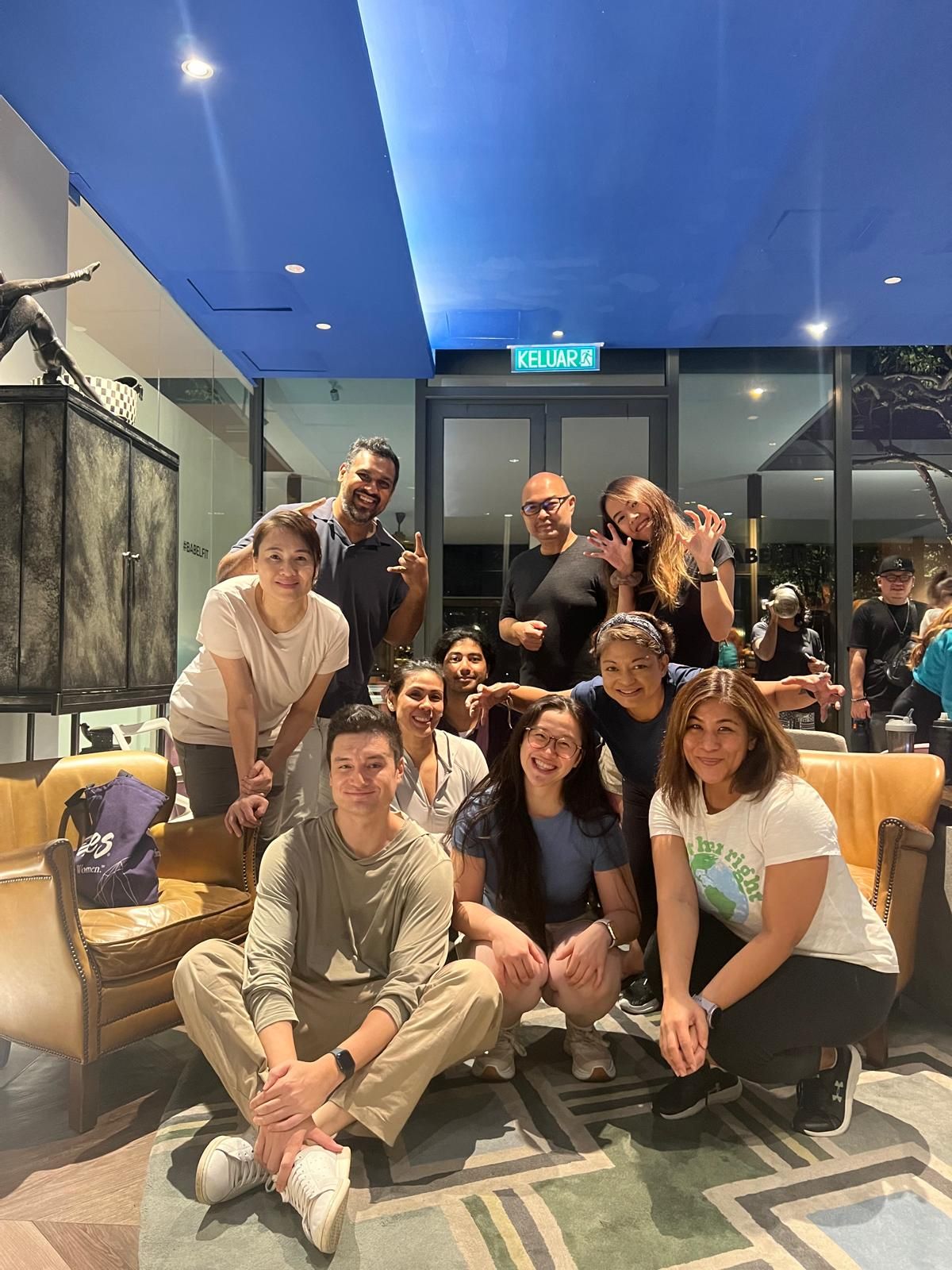
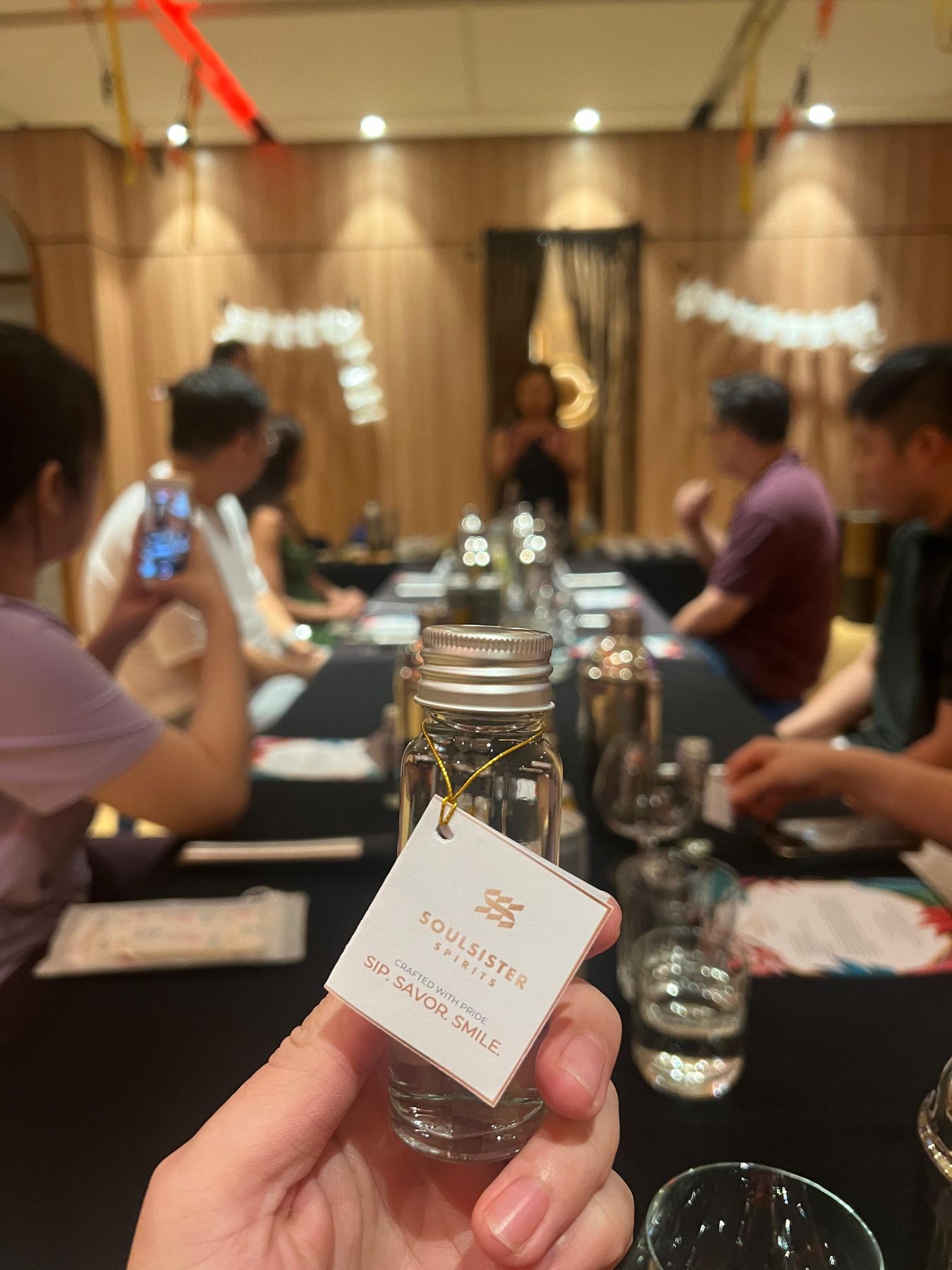
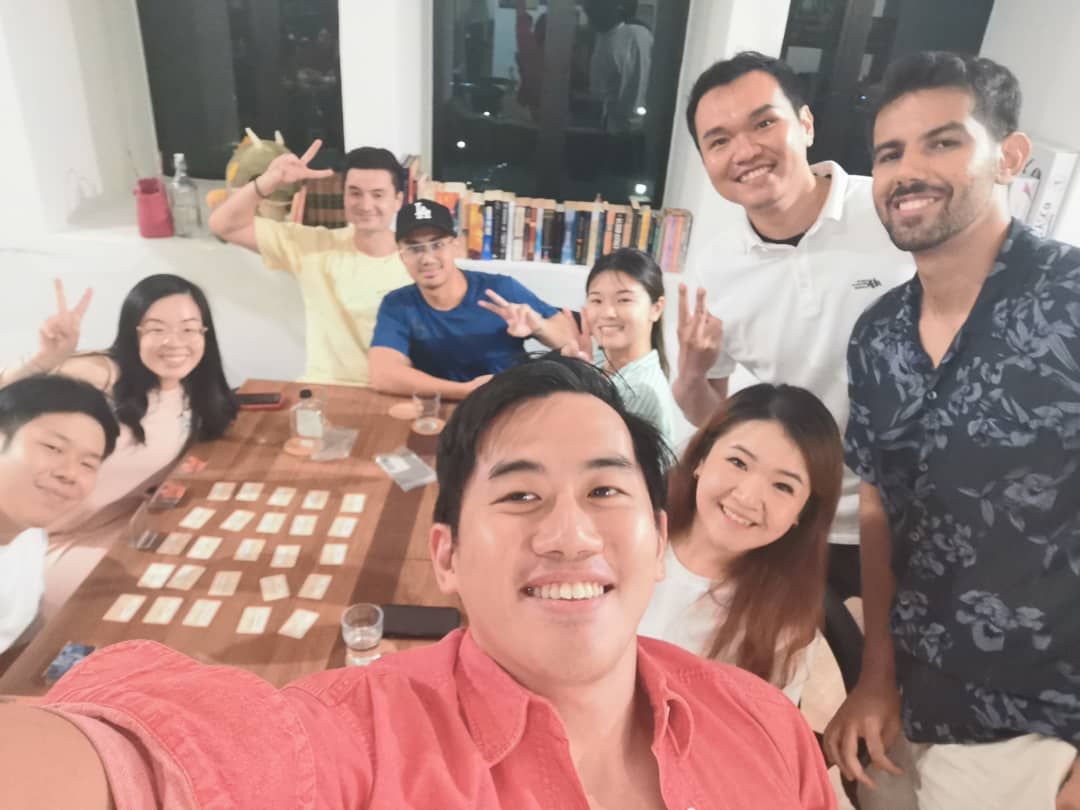
We poured wine and ran cocktail-making workshops with Soulsister Spirits. We did escape rooms, game nights and plenty of other things that gave people a reason to interact outside the gym.
Every couple of months, we also ran Secret Socials, invite-only dinners with a slightly different mix of members each time, alongside Babel's founder, trainers and team.
We used prompt cards, icebreakers and conversation games to mix people up and get them talking outside their usual circles. You might arrive knowing two people and leave knowing ten. It also gave members a chance to know the people behind Babel outside the normal trainer-member dynamic.
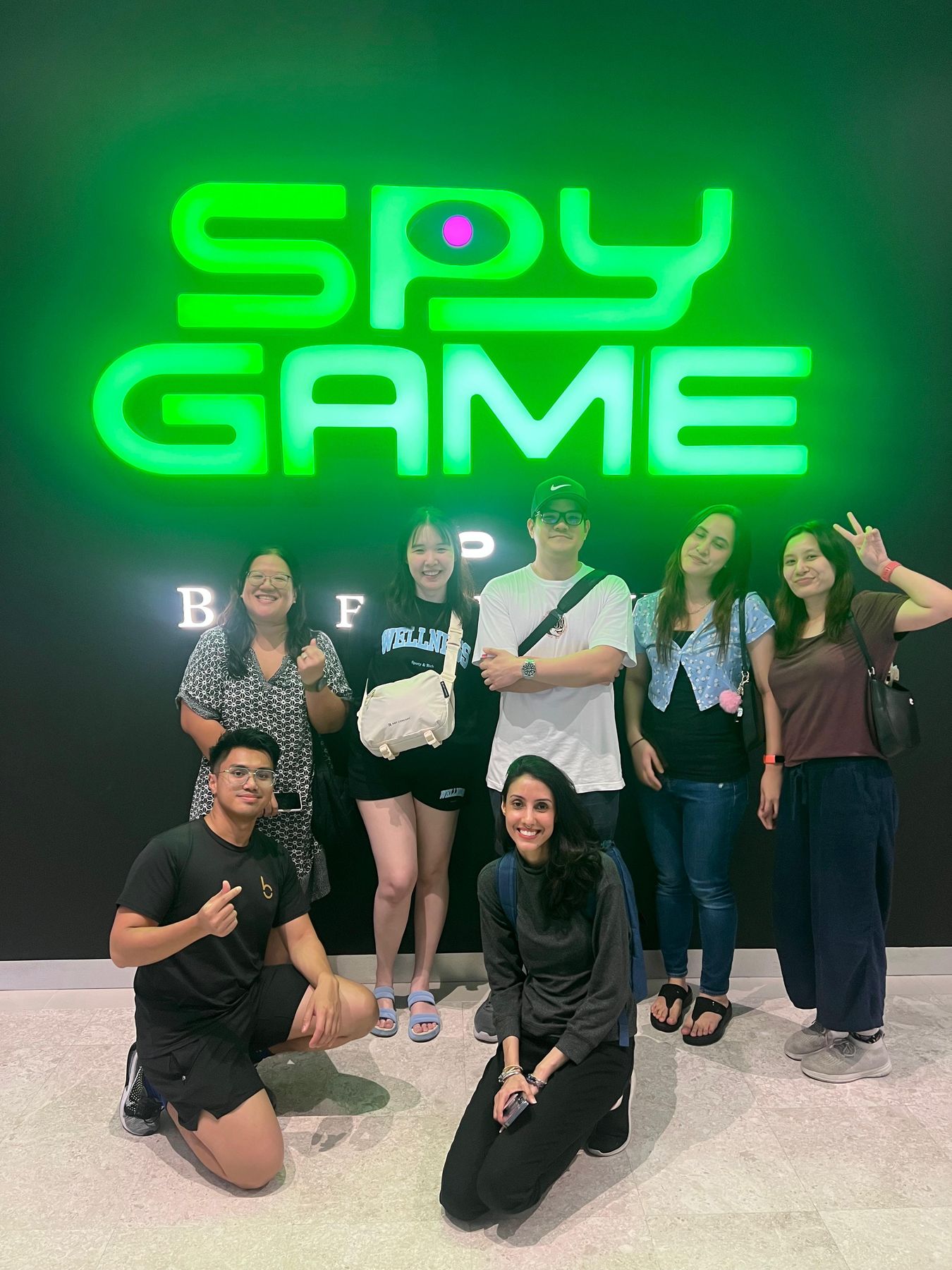
Many events were open to non-members, members brought friends, and those friends discovered Babel through people they already trusted. Every event also generated its own stream of photos, videos, tags and shares, putting Babel in front of far more people than actually attended.
Community had become an acquisition and brand-building channel without feeling like one.
Then wellness became a mega event
After roughly 90 events, we wanted to see how far the idea could scale.
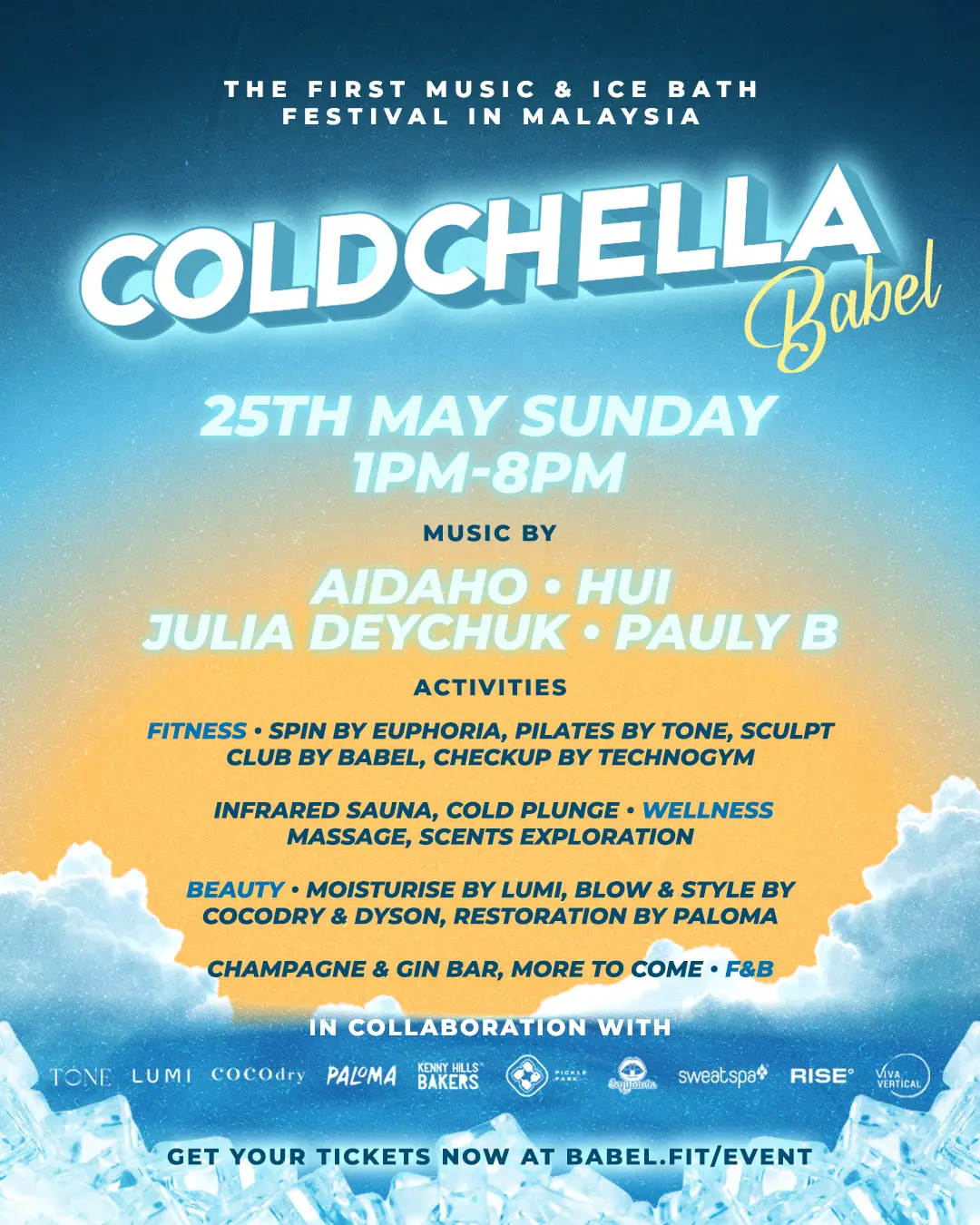
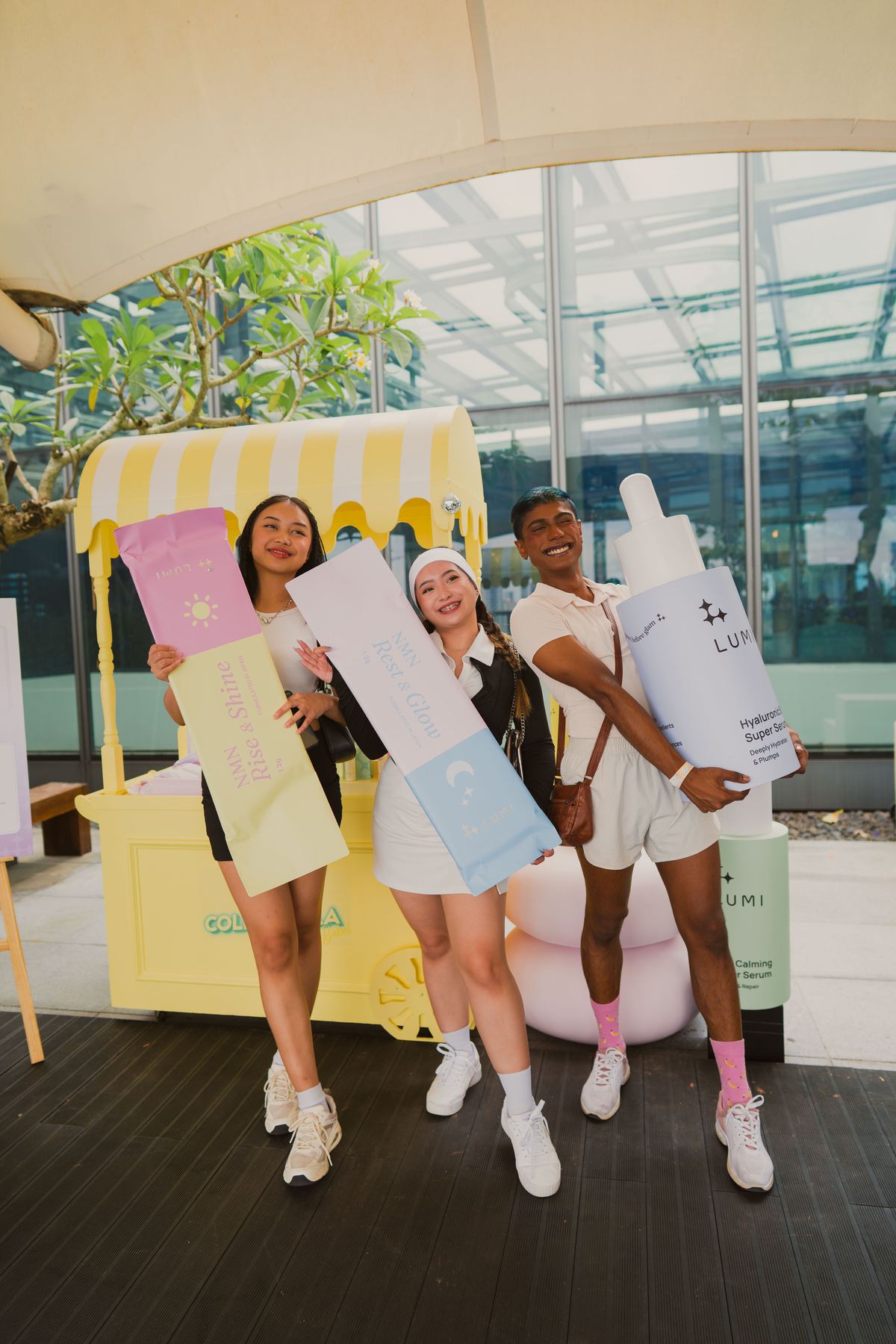
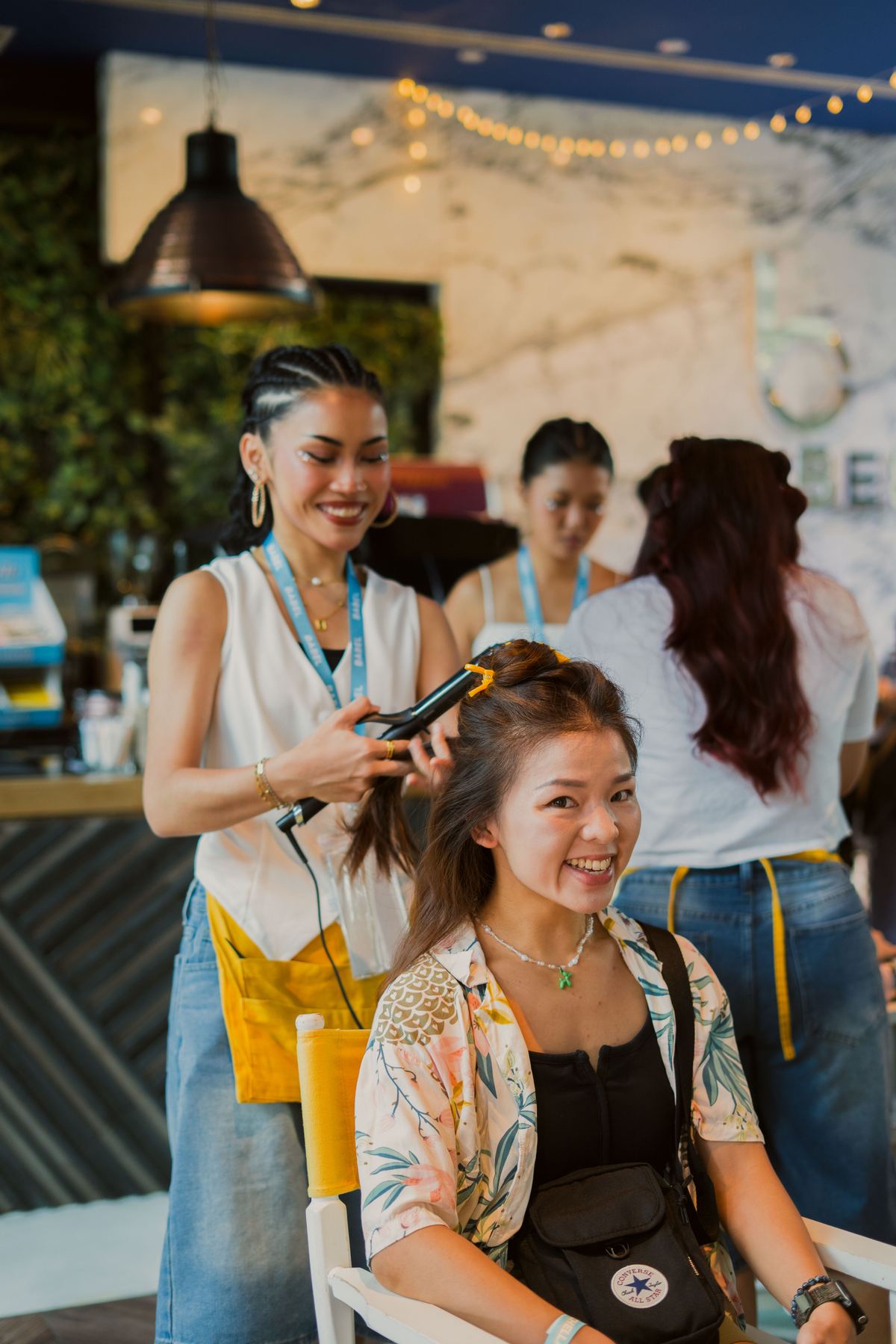
We built Coldchella, a large-format wellness and lifestyle event around the audience Babel had been developing, bringing fitness, music, food, drinks, experiences and brand activations into one place.
The first edition sold out at around 1,200 people and brought in 20 brand partners.
It proved that a community built around a gym could support something much bigger: a standalone wellness event people genuinely wanted to clear their weekend for.
Coldchella wasn't a bolt-on marketing activation. It was the community at scale.
As that audience became increasingly interested in health, performance and longevity, another opportunity started emerging.
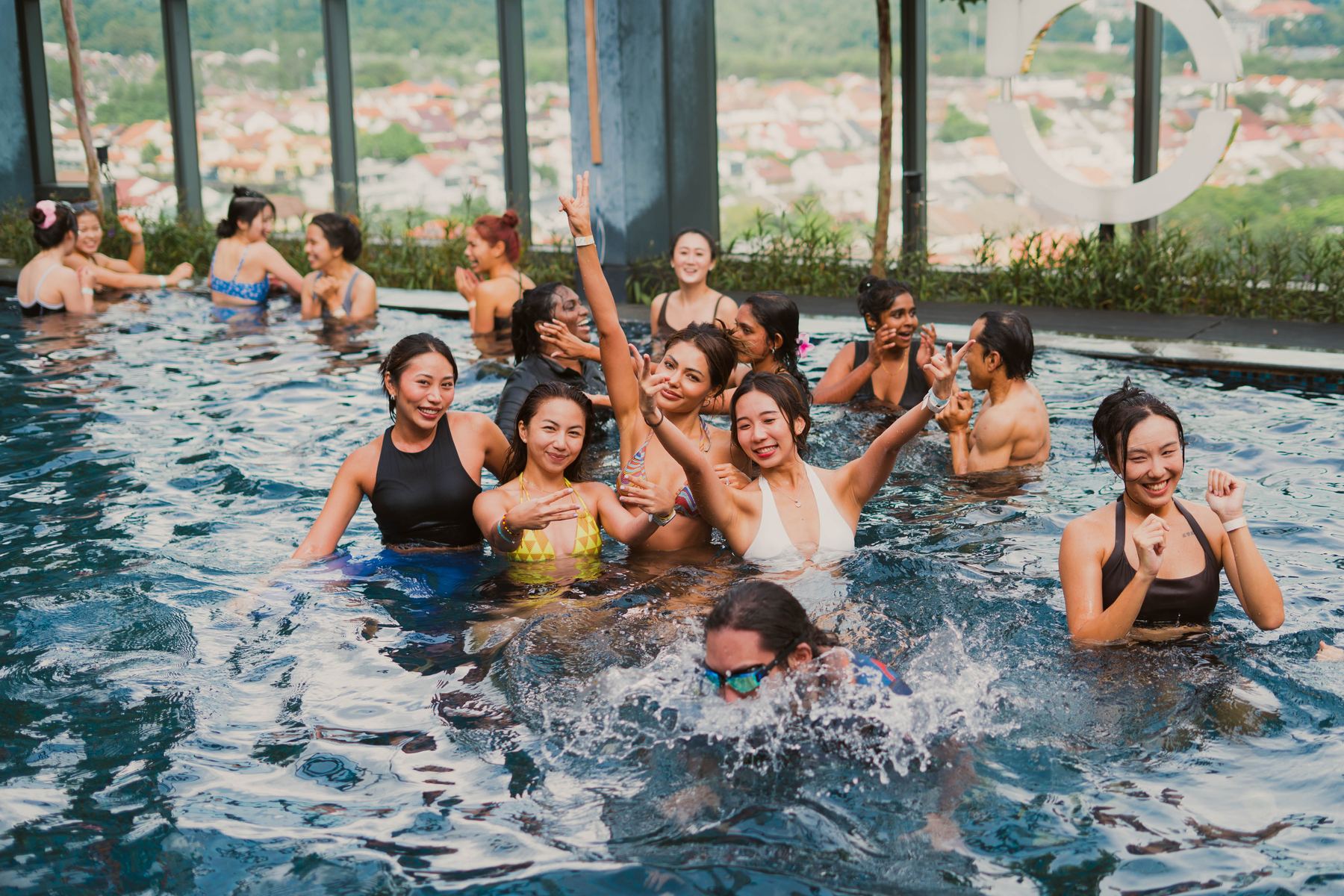
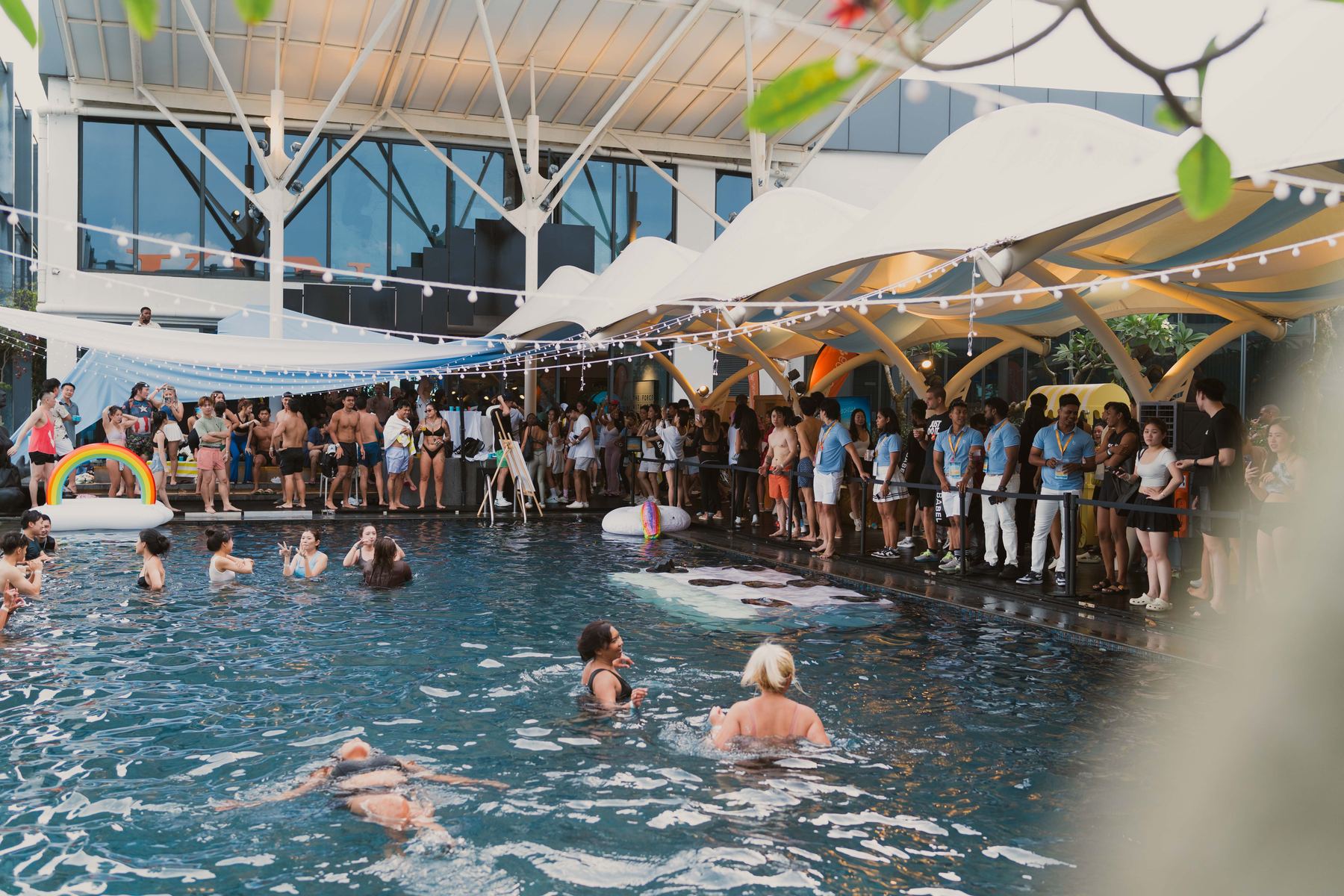
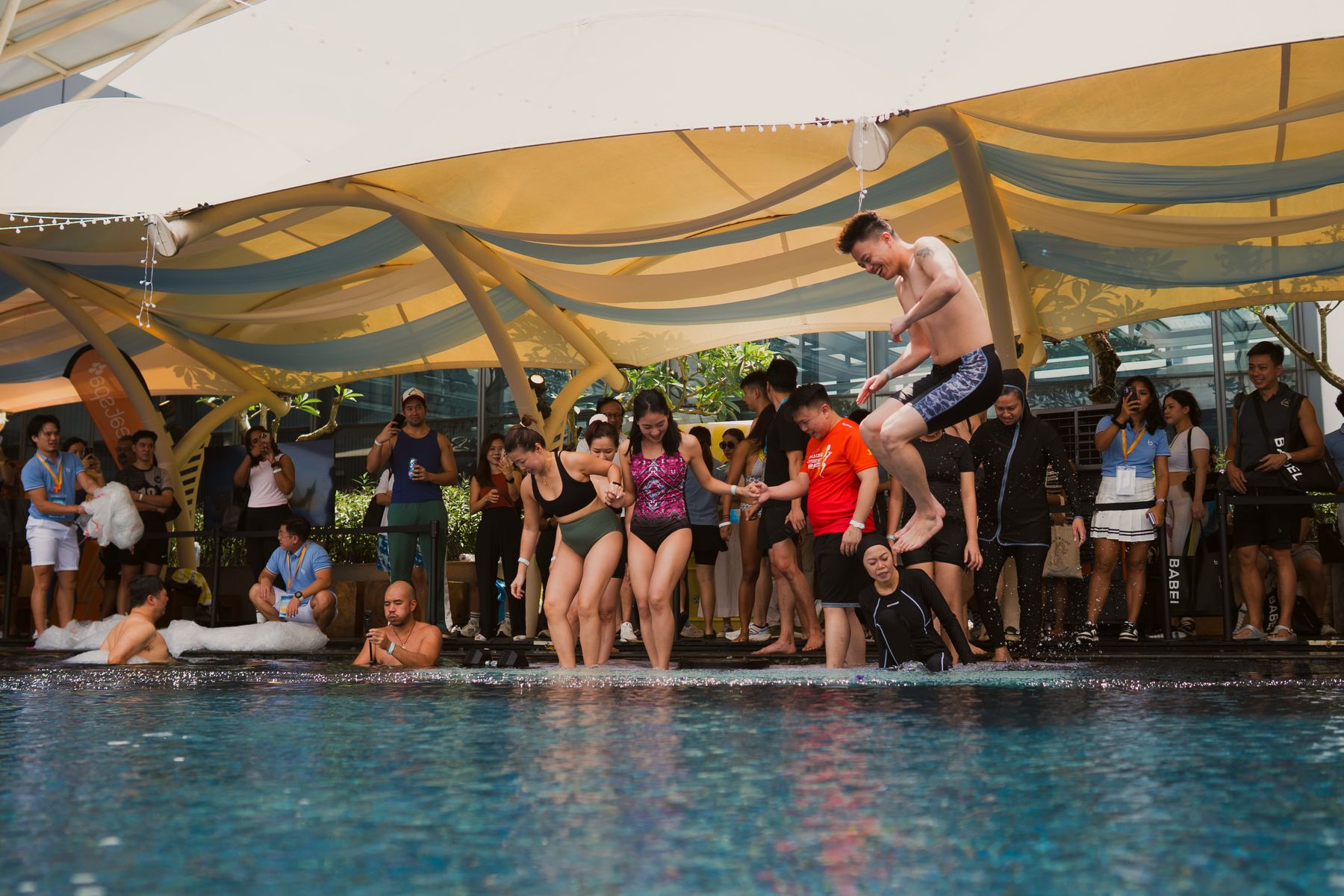

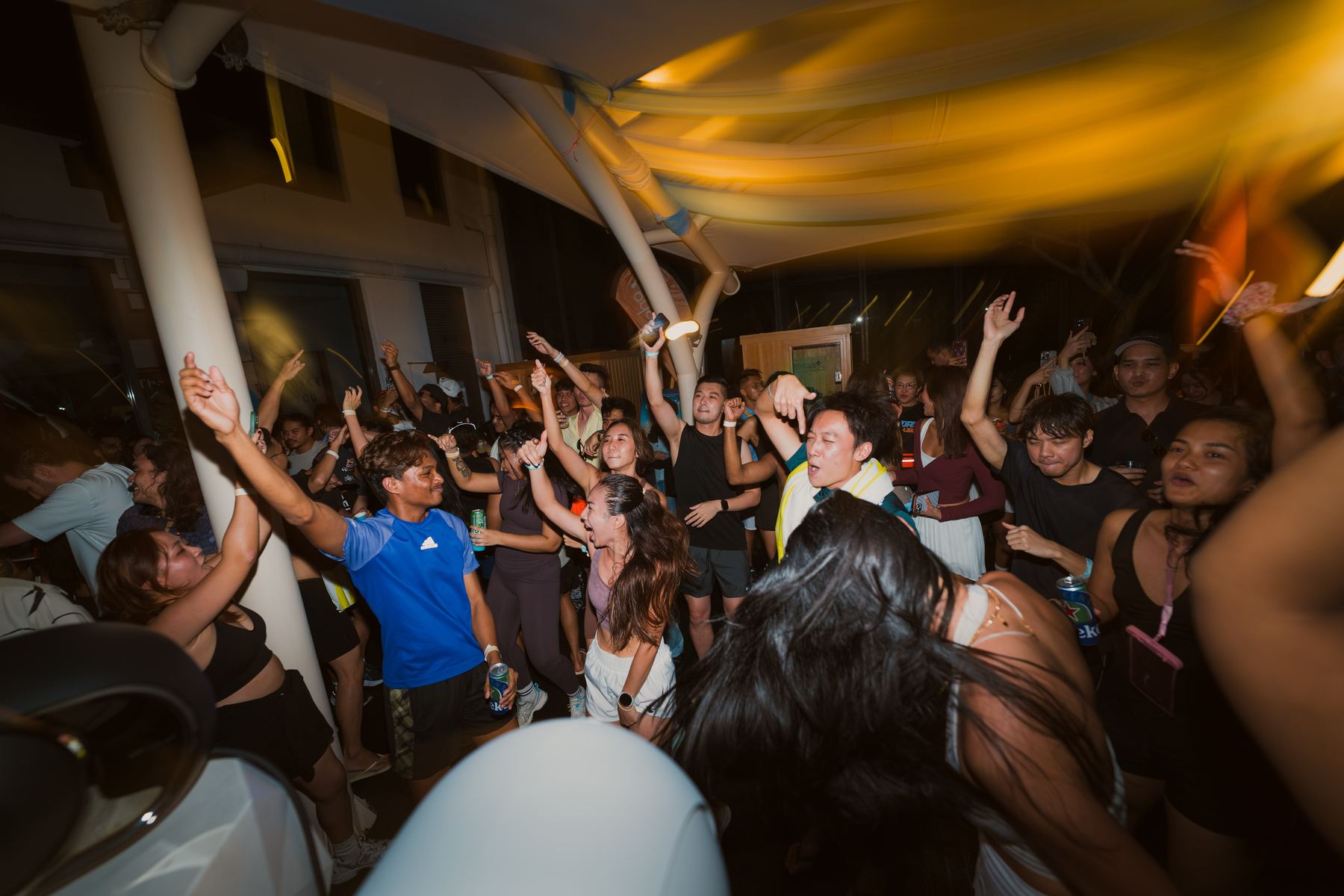
The festival was just the loudest version of what people had been doing together all year.
during John's active
involvement
sold out
at Coldchella
pilot
Then wellness got clinical
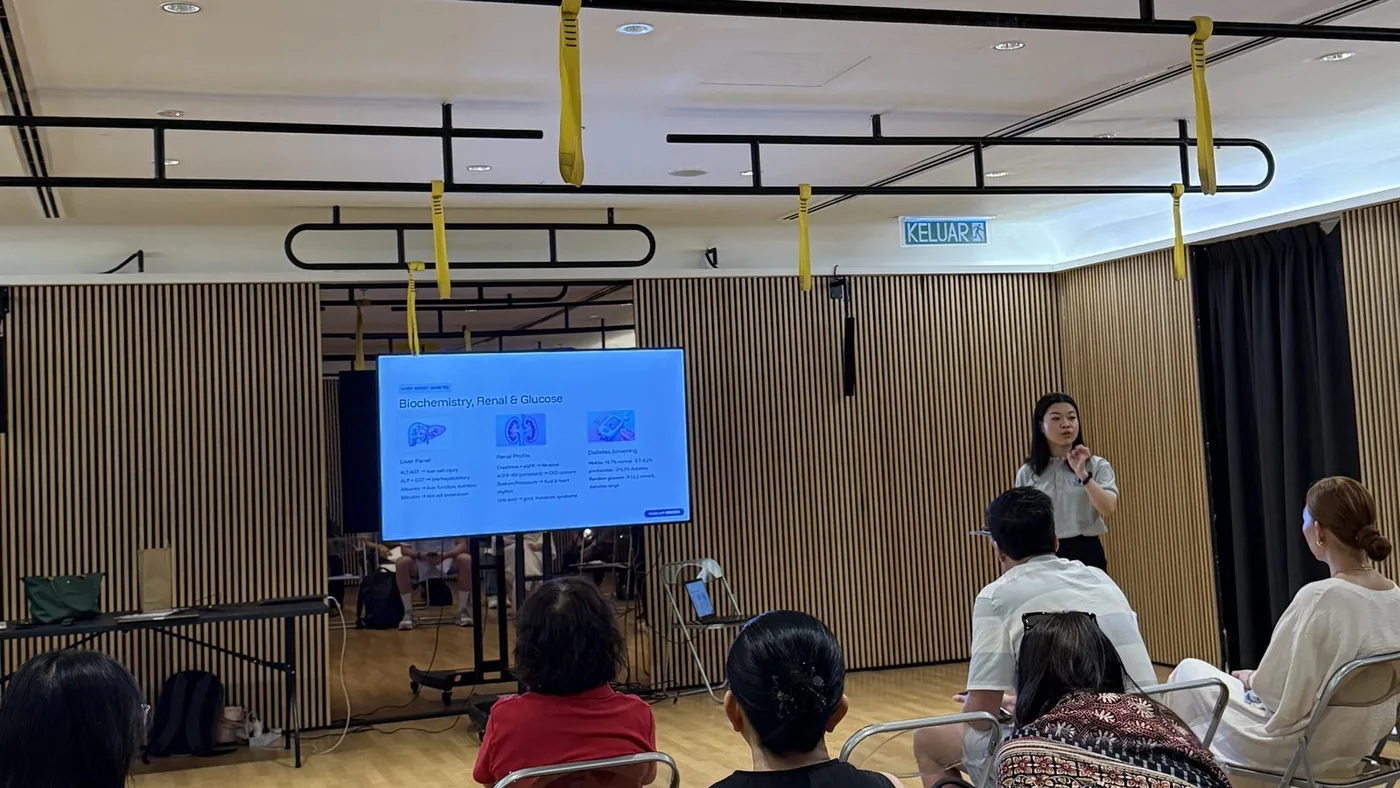
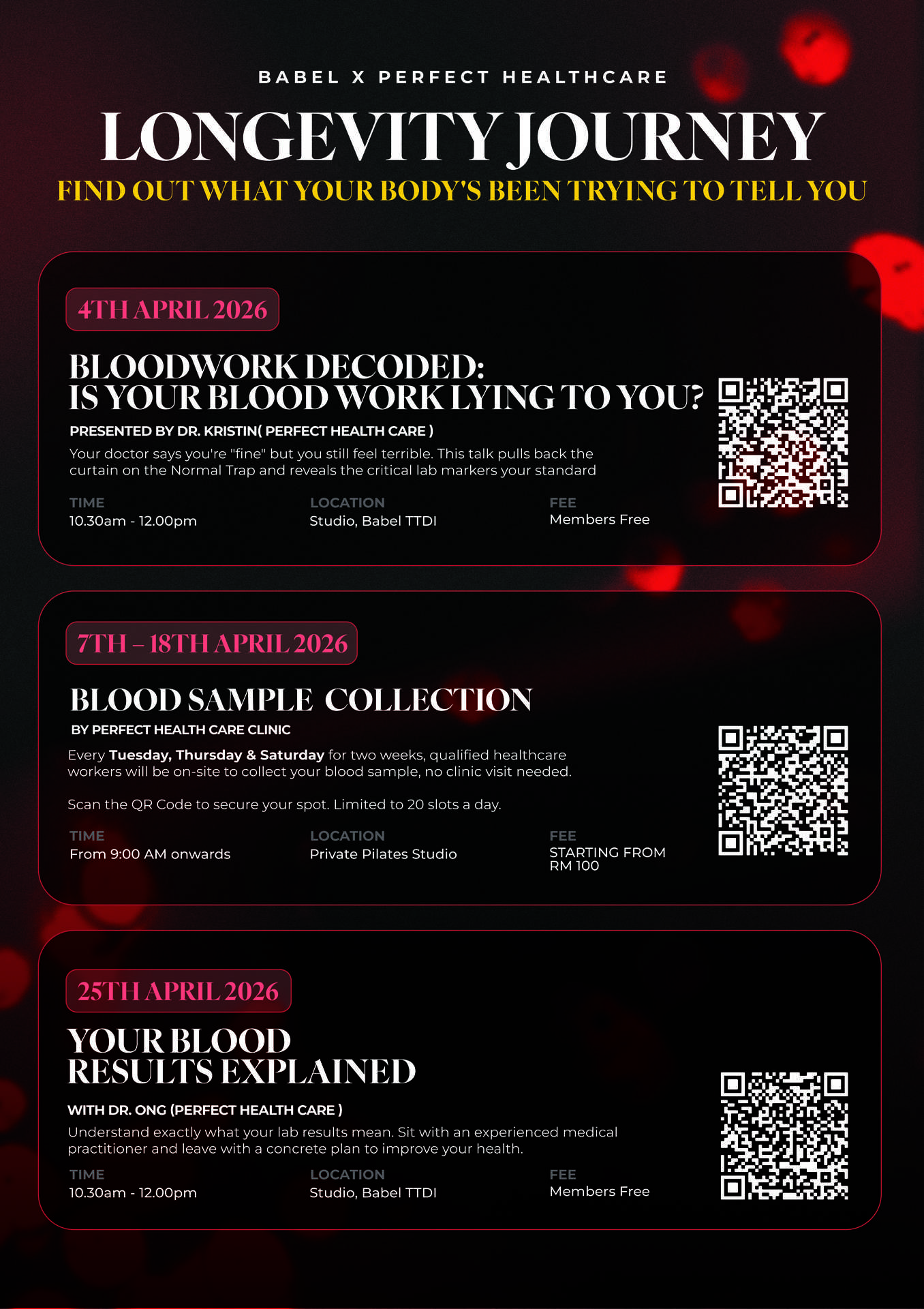
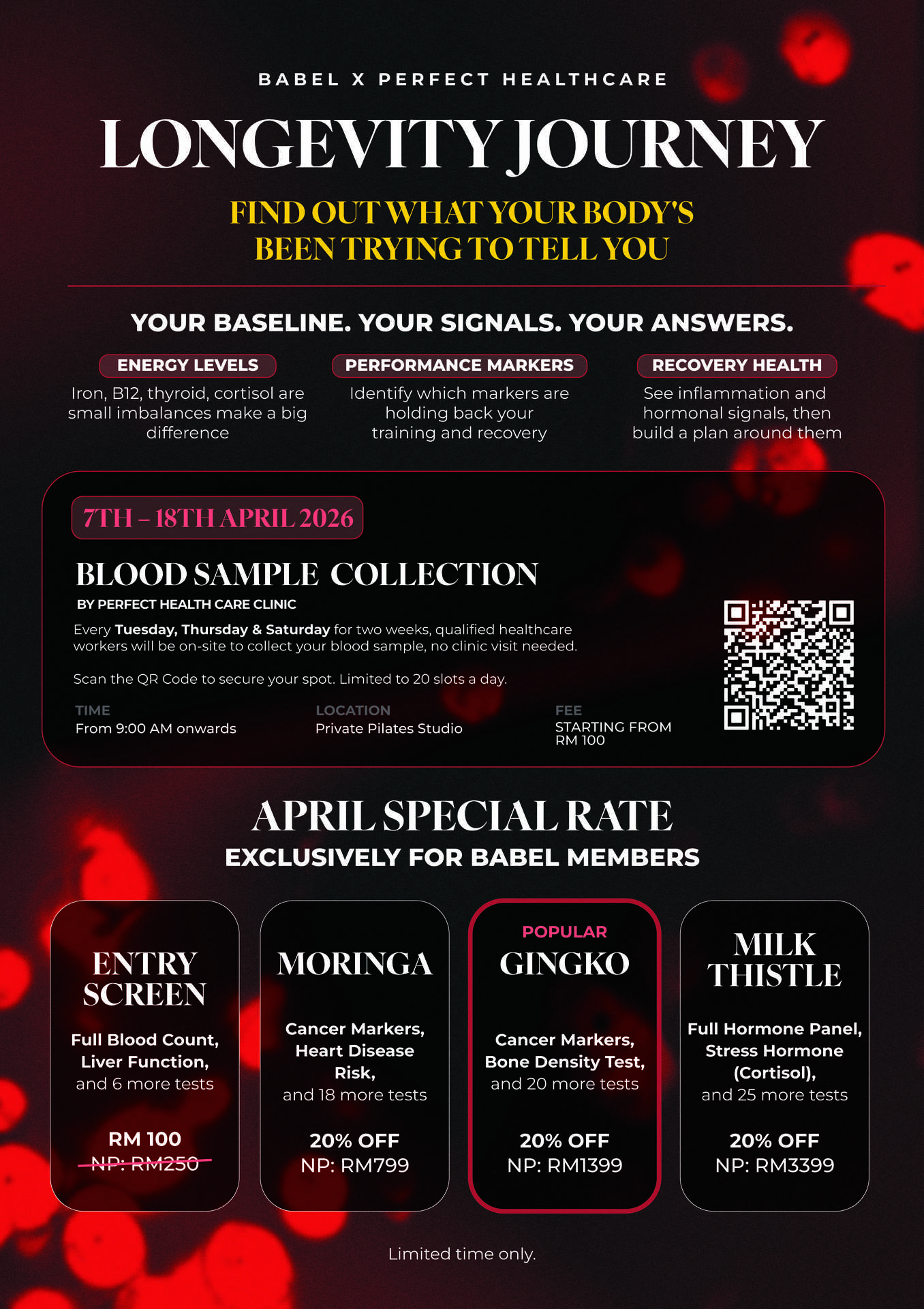
We partnered with Perfect Healthcare Group to bring clinical screening and health data into Babel.
Members could undergo screening and blood testing, then sit down with doctors to understand what their biomarkers might mean for their health, hormones, performance and longevity.
That changed the conversation. Fitness had traditionally started with what you could see: weight, strength, body composition and how you looked in the mirror. Now we could also start with what was happening inside the body.
The more interesting question was what happened afterward: could those results shape how someone trained, ate and recovered, then show whether those changes were actually working?
You could begin to see the outline of a feedback loop between clinical information and everyday behavior.
Then AI caught up
AI was already around when we were building this, but what it could realistically do in this space was much more limited.
Today, bloodwork, body composition, sleep, training and recovery can increasingly feed into the same system. AI can now analyze meal preferences alongside nutritional needs, track changes through progress photos, and review training or mobility videos to identify issues and give feedback on what to work on next.
Doctors and trainers would still oversee implementation. What changes is everything that happens between those touchpoints. Instead of operating largely in the dark, the individual can bring together their own data, research, questions and experimentation to build a much richer picture of what is actually working.
AI turns that constant stream of information into a feedback loop that simply wasn't practical before.
If I were building the model now, that layer would be fundamental.
More communal. More personal.
Babel gave me an early glimpse of a model moving in two directions at once. Wellness is becoming more communal, while the health experience underneath it is becoming increasingly personal.
Better data and AI allow more of the experience to respond to the individual, while community, programming and shared experiences give people a reason to participate in the first place.
More communal above the surface. More personalized underneath.
Where I want to take it next
Over the past year I've been applying a lot of this thinking to myself, with meaningful changes in both body composition and biomarkers. It's made the opportunity feel much less theoretical.
It has also made me increasingly interested in how these pieces can work together as one consumer experience.
I've spent most of my career spotting shifts in consumer behavior and figuring out how to build around them.
This feels like the next one.
Blue Root is John Langan's consumer strategy and new ventures practice, working with owners and founders across audience strategy, concept development, product and experience design, programming, partnerships and commercial strategy. The work spans hospitality, entertainment, wellness and mixed-use development across Asia and the US.