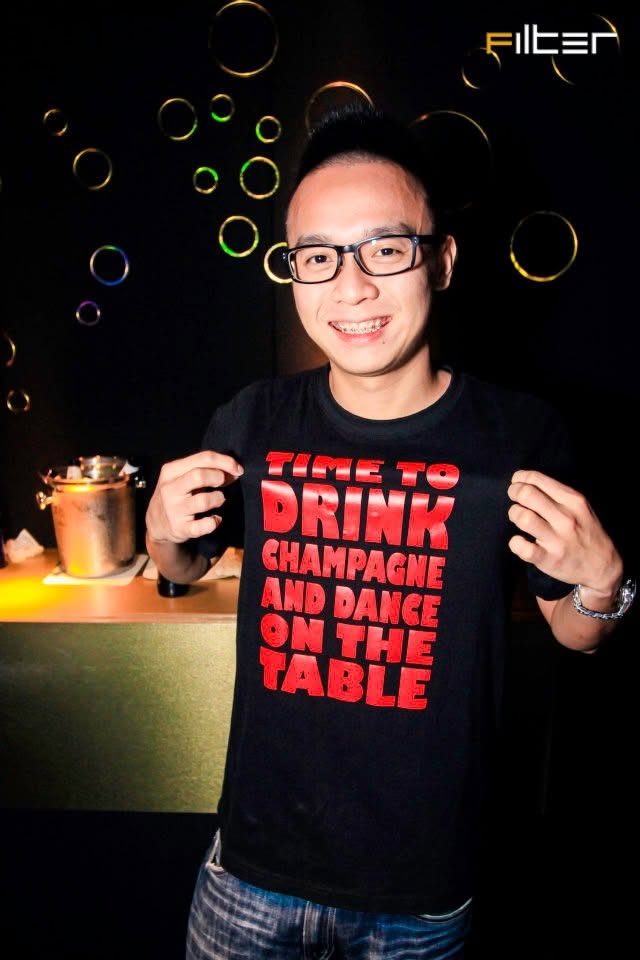
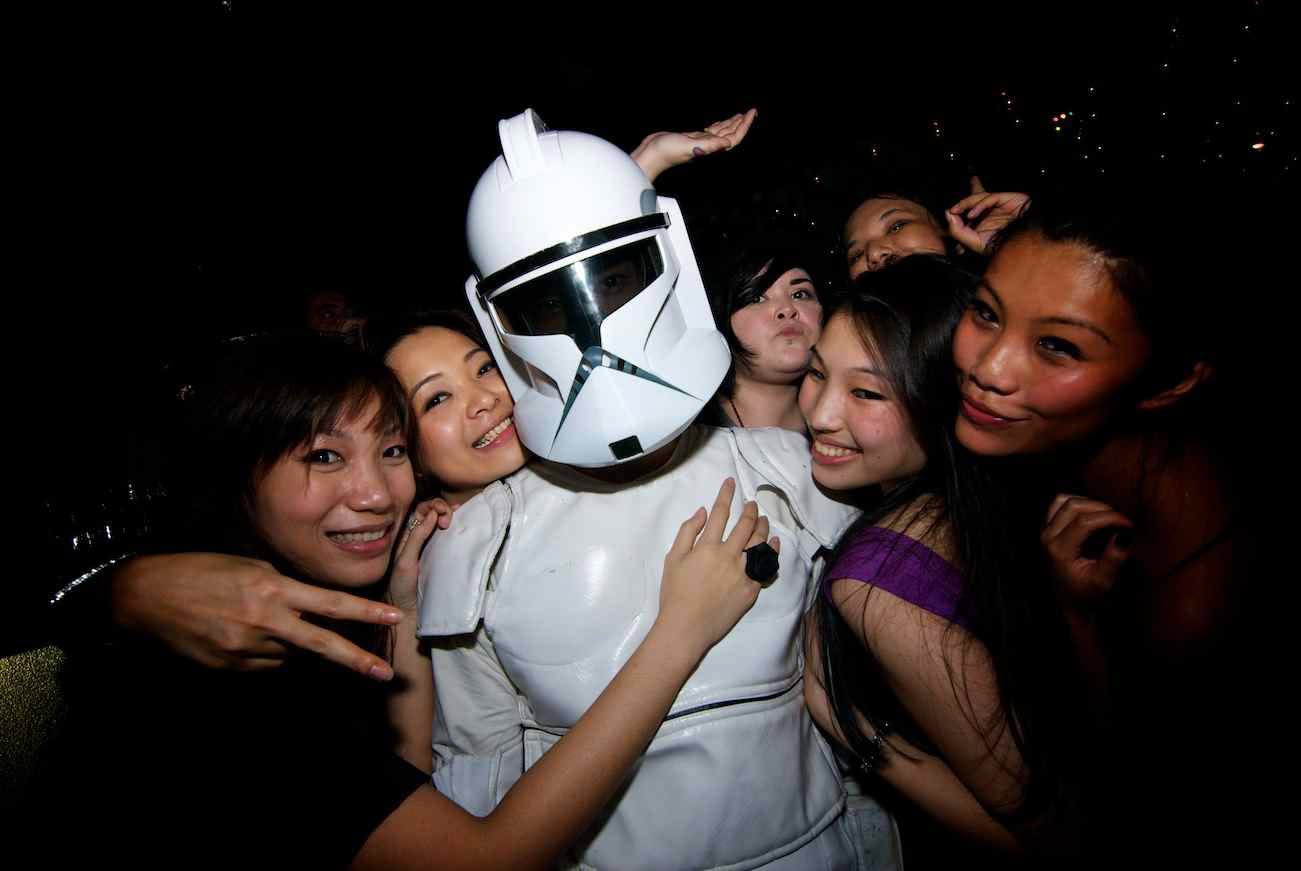
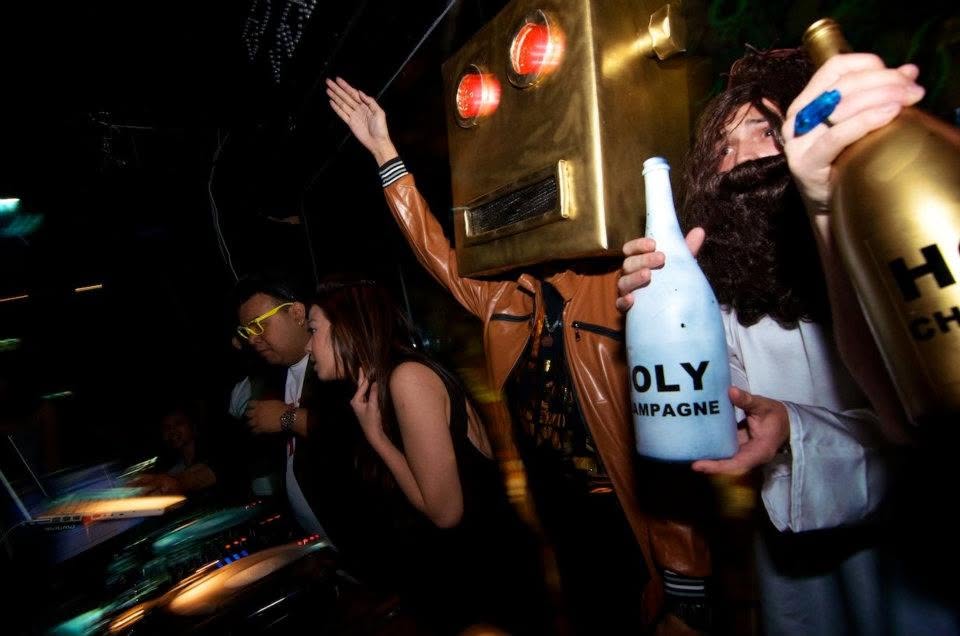
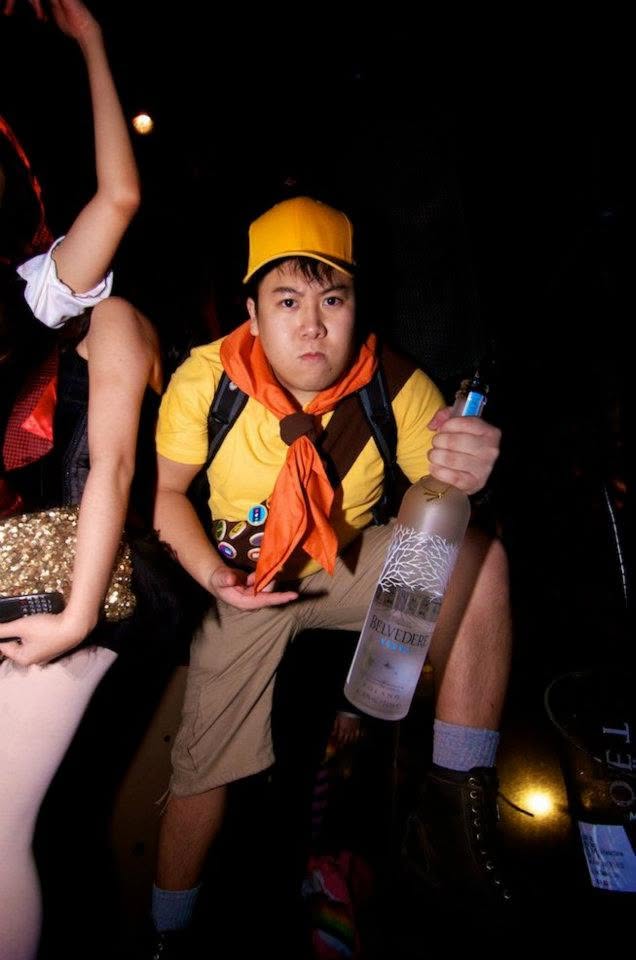
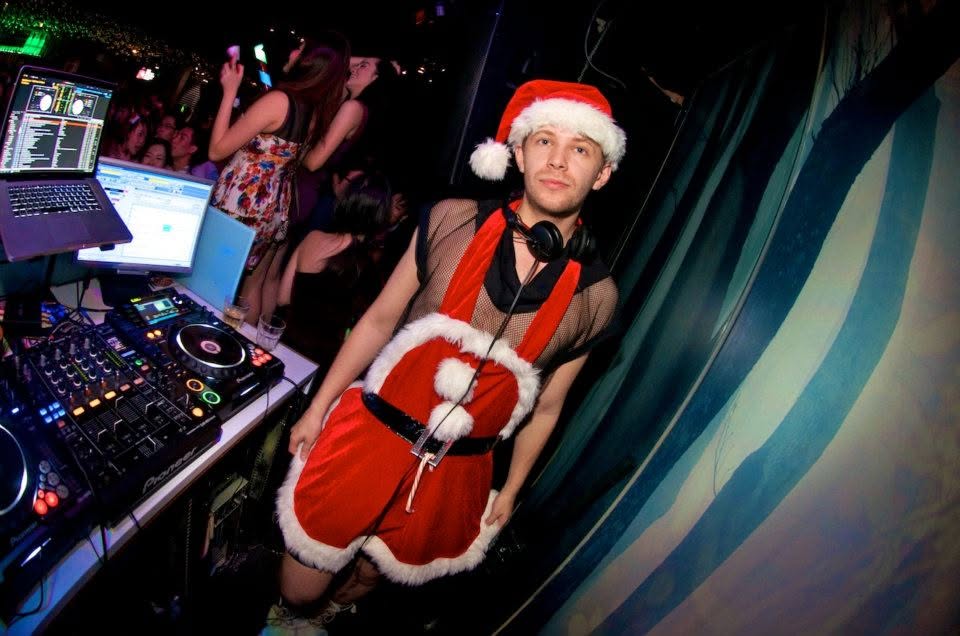
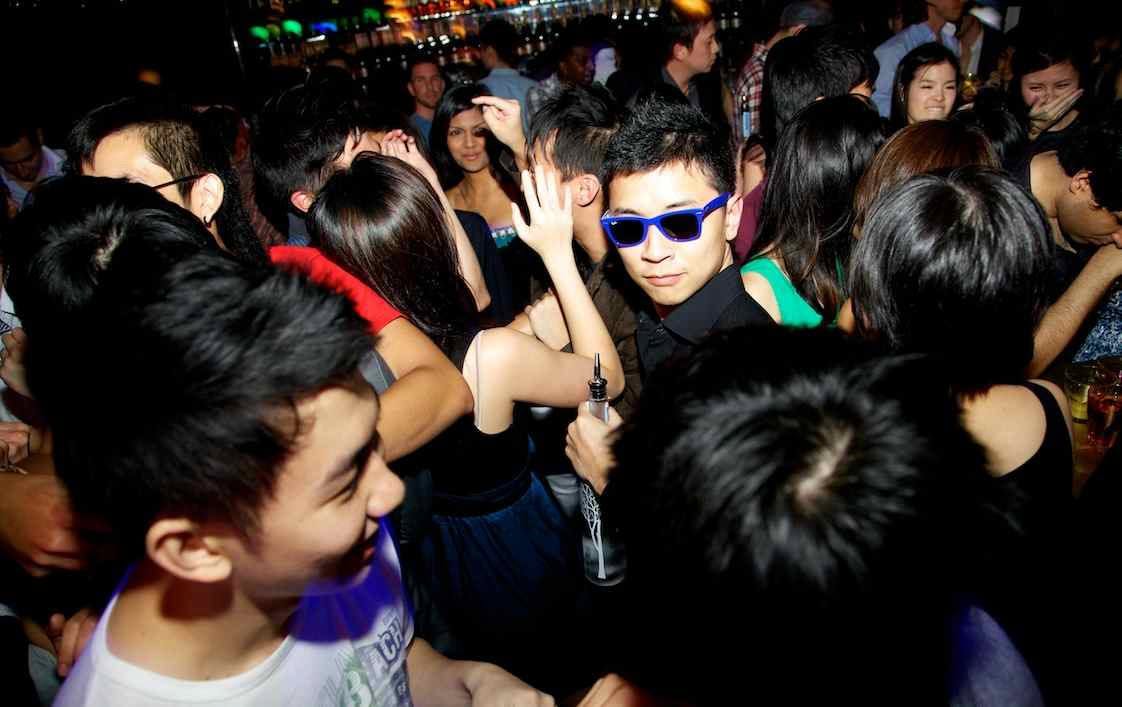
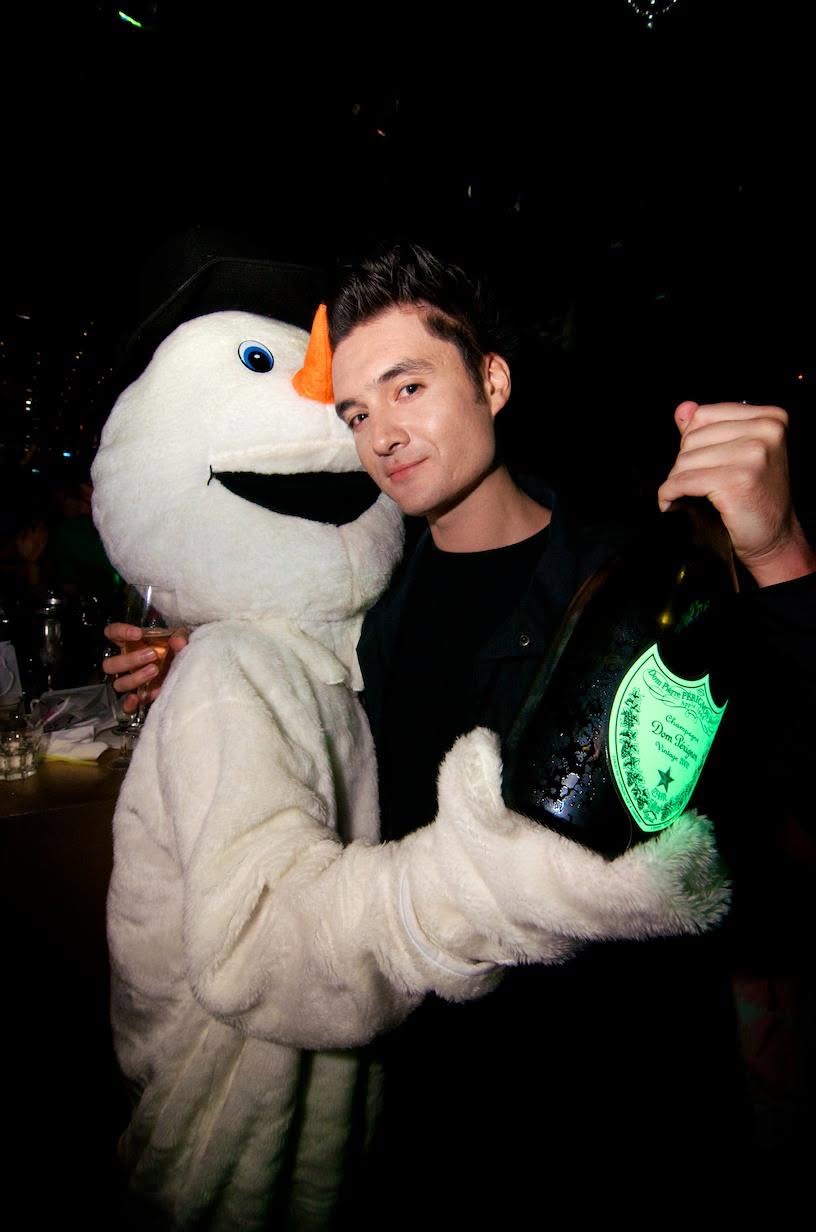
We revolutionised the high-end party scene in Singapore, and the city's nightlife has never been the same since.
Period2010 to 2013
RoleCo-Founder & Director
EntryInvitation only
Capacity~220 a night
This entry is the third in a series covering the trends of now and highlights from my past work. Today we dig into Filter, the first of many venues under Massive Collective, a hospitality group I co-founded in Singapore.
Hope you're ready for a trip down memory lane, because I dug deep with this one. Filter came out of nowhere to become one of the most talked-about nightlife concepts in Asia in the early 2010s, setting trends in the industry that still persist to this day. This one's a bit of a thank-you to our old Filter members, so I'll keep the language casual and descriptive.
01
Run this Game
It was Fall 2010. Phil Poon and I were out like 3-4x a week, regulars at Zouk Members and the legendary Butter Factory (Bump) VIP section. His background was in events and he was a scene veteran; the Red Bull F1 party was just one of the gigs in his portfolio. I'd come fresh off a year of promoting the hottest early-hours Friday night in town at Mimolette.
We were very blessed to have an amazing gang of party people with us, who also loved to drink, travel, and enjoy life. In our physical prime, no kids, fewer responsibilities, good jobs. What a time to be alive, I was 28.
As one of the group's unofficial entertainment planners, I was young, hungry, and full of ideas. I'd been promoting clubs in Hollywood before I moved to Singapore, so I had a real feel for how to make a nightlife space fun and optimised for revenue, with a different outlook from the current offerings in town.
Phil and Ben Yap both had the local contacts (yup, that Ben Yap, who came on board soon after). I was more focused on the international set: international-school grads, ABCs, mixed kids like me, and old-money kids from around the region, back from university abroad.
Later that year, the space came up. The nuts and bolts were already in there, DJ booth, sound, bar, but the table layout was all wrong, so I sketched out some rough changes on pen and paper, Phil came up with the name, and within weeks we'd soft launched.
The spots that were hot in town at that time had a wholesome energy. Zouk was art and design driven, had a rite-of-passage feeling, and took music education seriously. Butter Factory had taken themed parties and fashion to the next level, and had an amazing team behind them. Attica was Attica, definitely a bit more European inspired musically but was geared toward westerners and international circles. Honestly, I was a fan of all three, but I wanted to carve my own programming path.
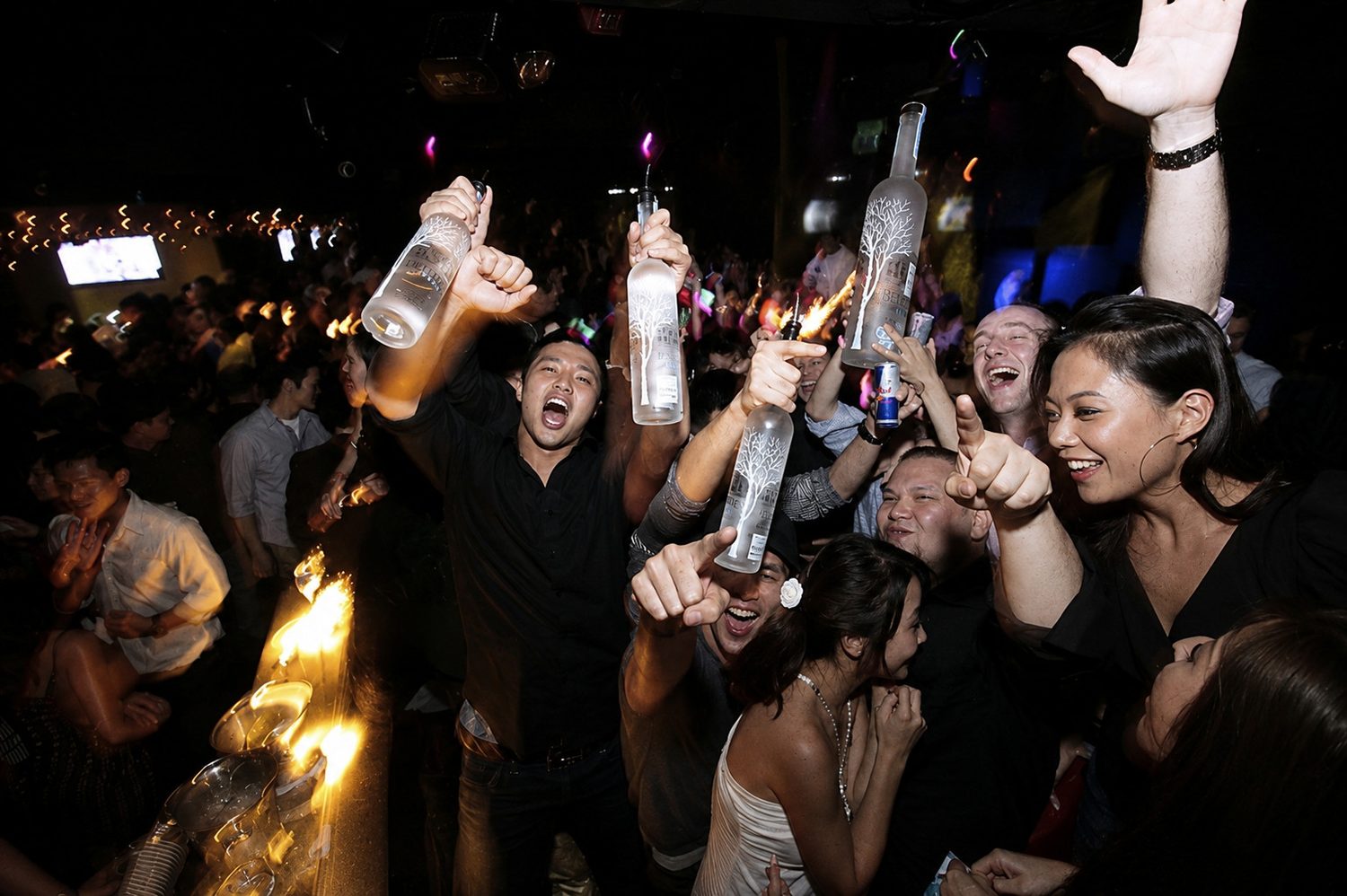
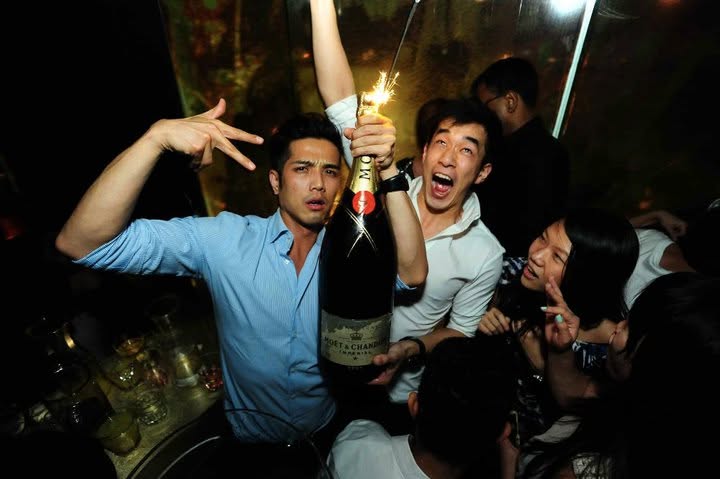
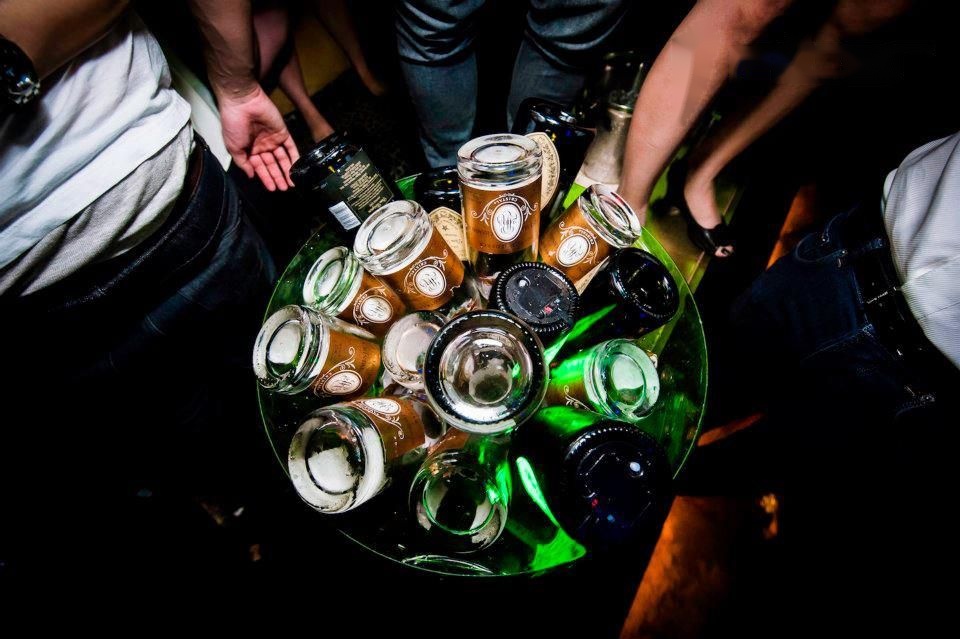
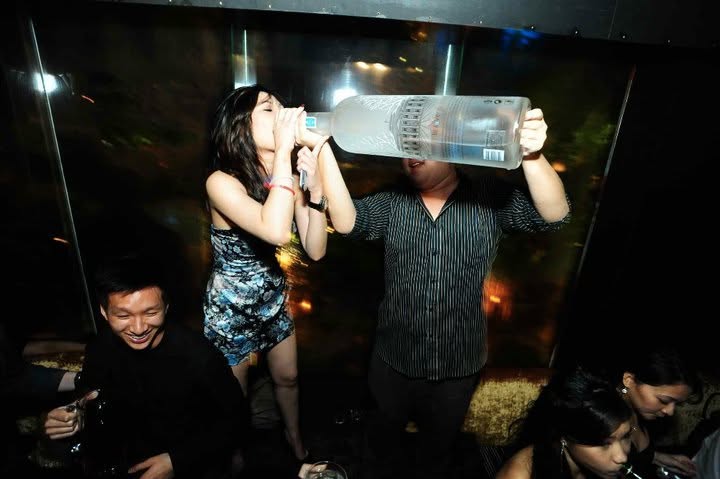
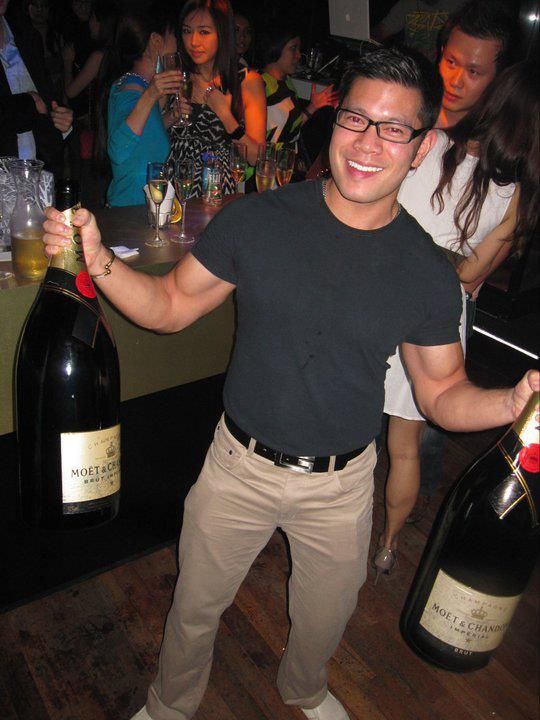
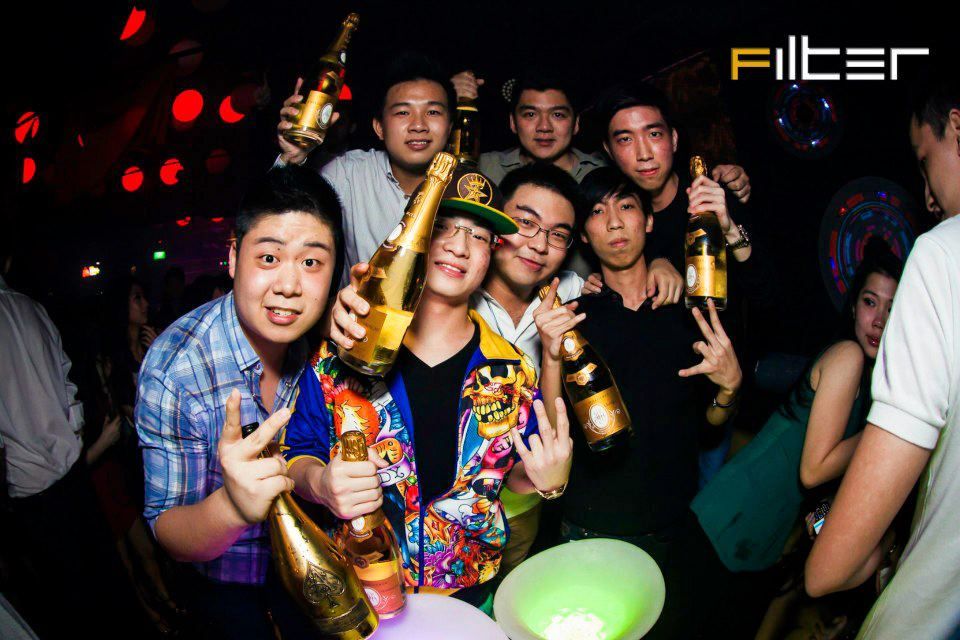
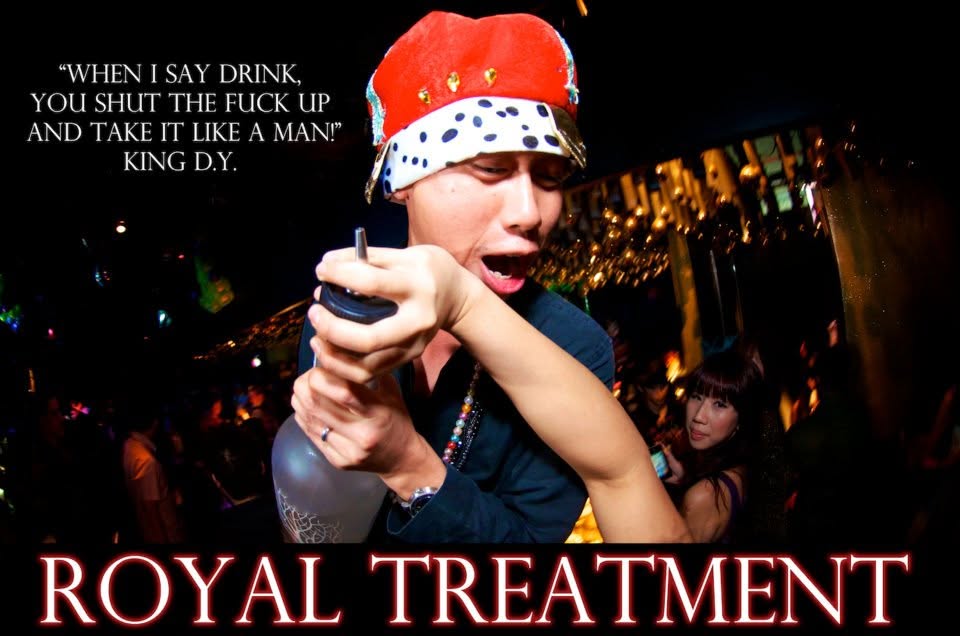
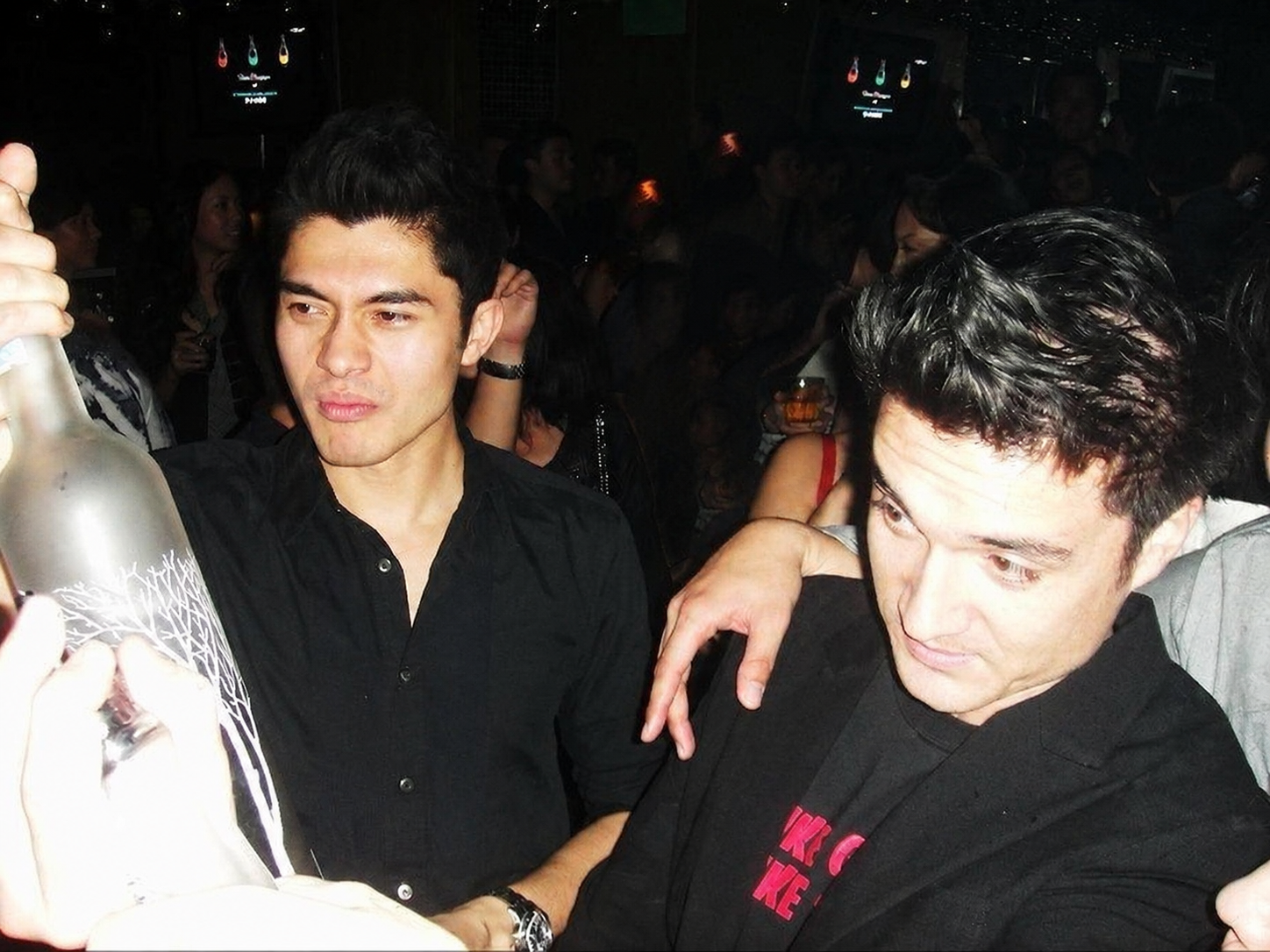
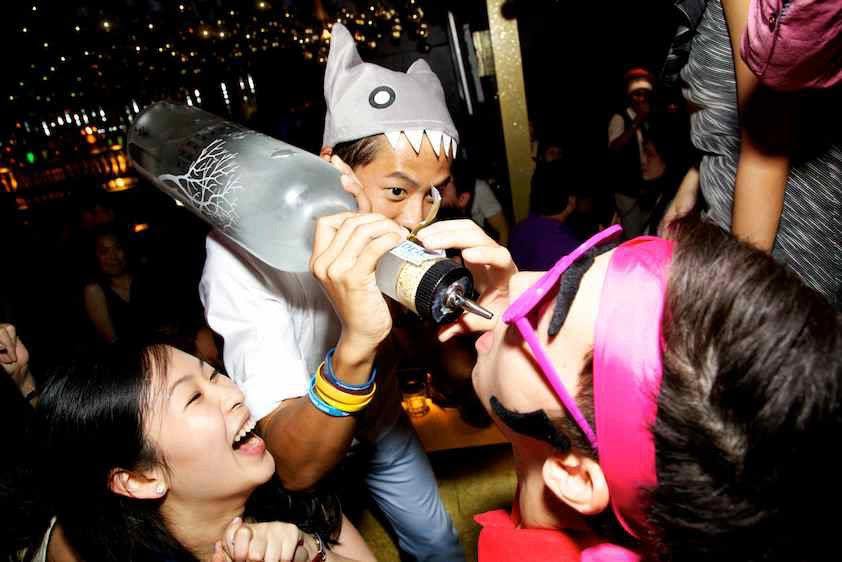
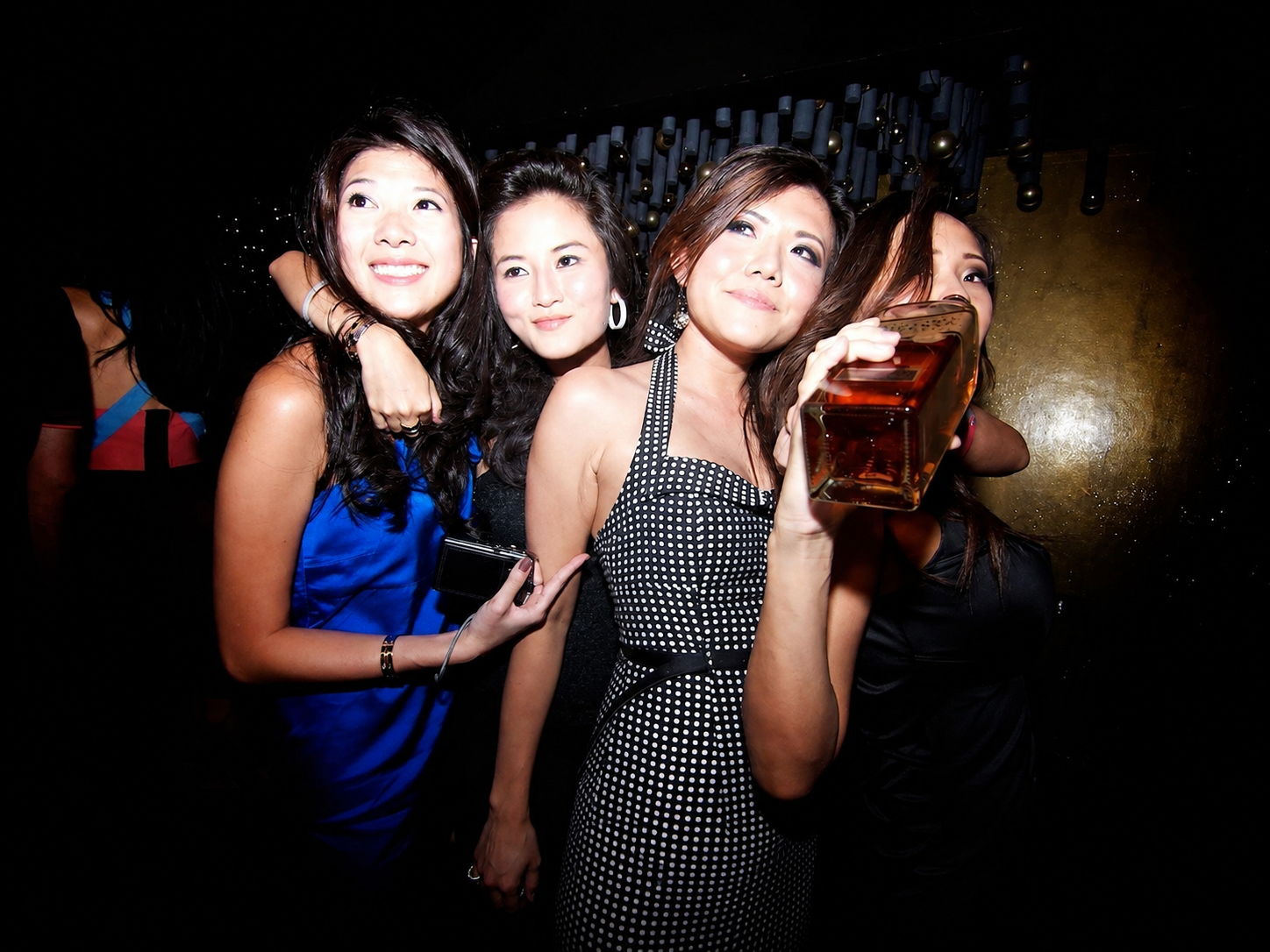
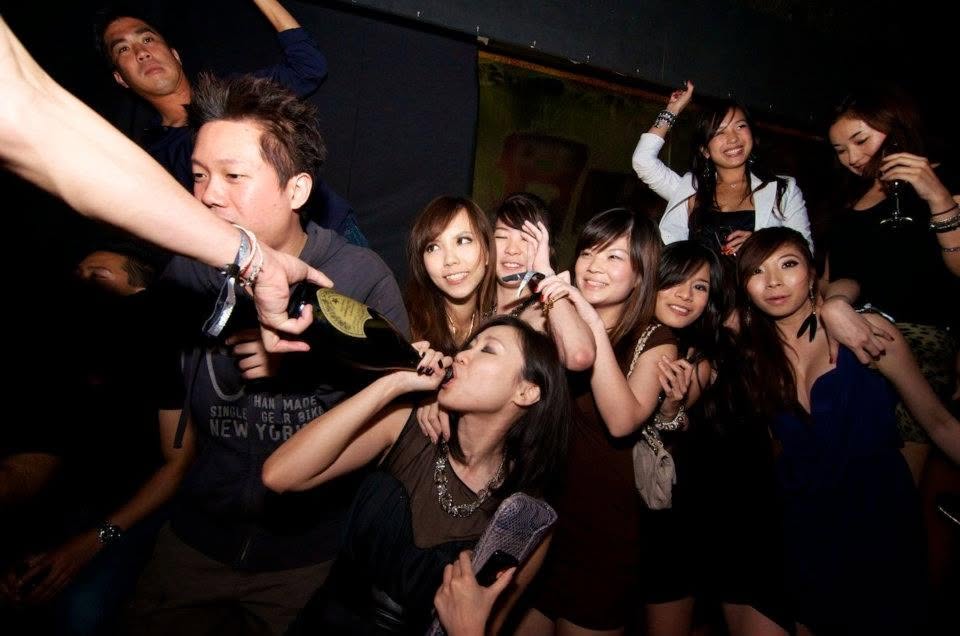
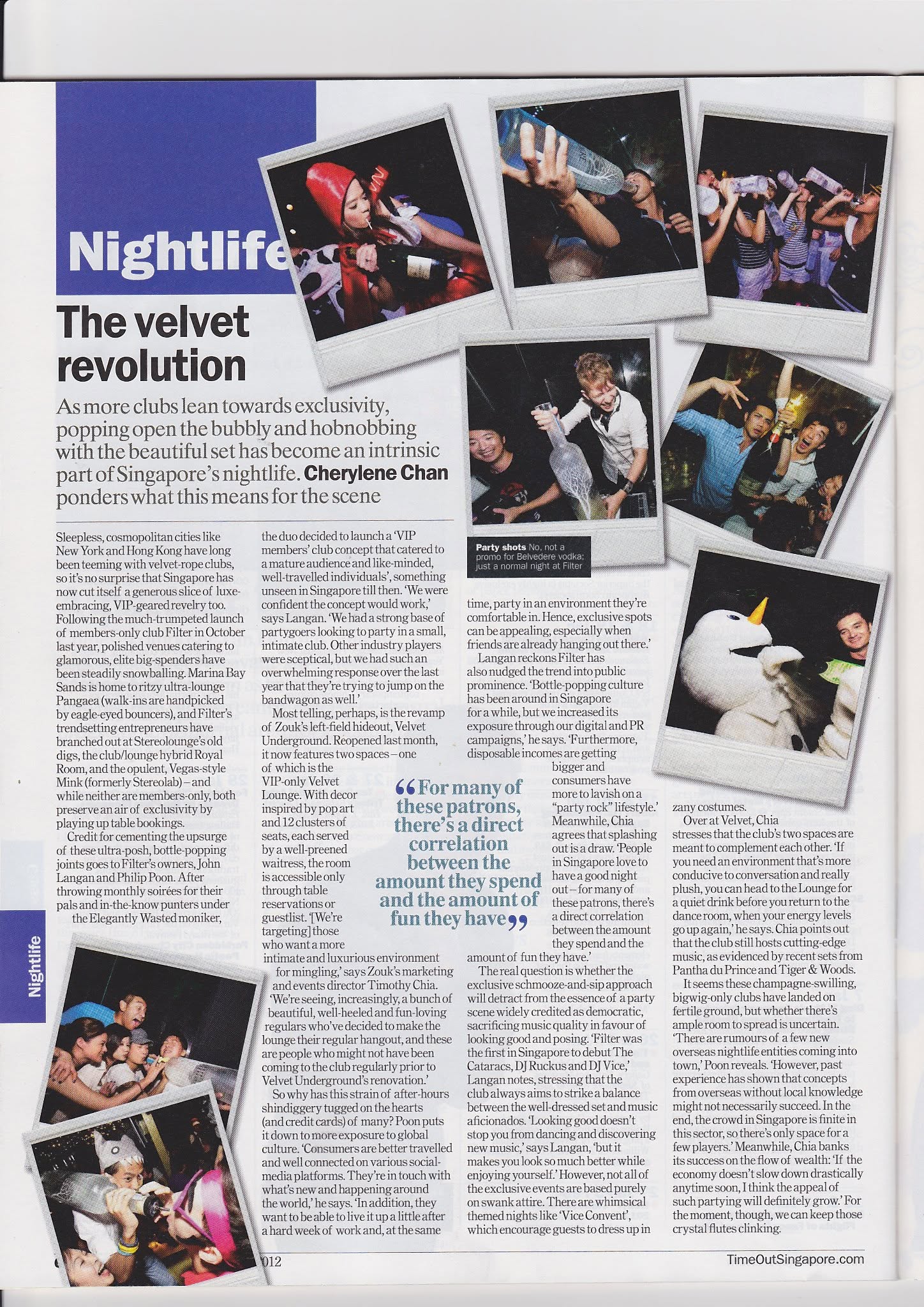
From the get-go we were never really about being 'expensive', that was never our angle. Our bottle prices weren't far off from other clubs in town, but what we did do was encourage people to buy in quantity. The minimum spend for a sofa ran S$1.5k to S$2k, so you were buying quite a bit of alcohol the moment you sat down, about 5 to 7 standard bottles a table or the equivalent. It quickly became a race to finish the biggest bottles you could justify, getting as lit as possible as quick as possible, if you wanted to match the vibe of the other tables in the room. We kept the large formats and champagne reasonably priced, so they became the purchases of choice. Even our standing tables were popping large formats and magnum Moëts, I remember seeing a few Belvedere methuselahs sitting on high table ledges. Naturally, it made for some wild photos and behavior, and the drinking culture we created was really unmatched to this day.
We were pushing crates of Belvedere and Moët, they were essentially our standard pour. When we first opened we even ran promos on the big bottles to make sure they popped on socials. We pushed Dom Pérignon too, which was a rare purchase at the time, but we helped get the word of mouth going of it being celebratory, along with Cristal, and within months both were flowing.
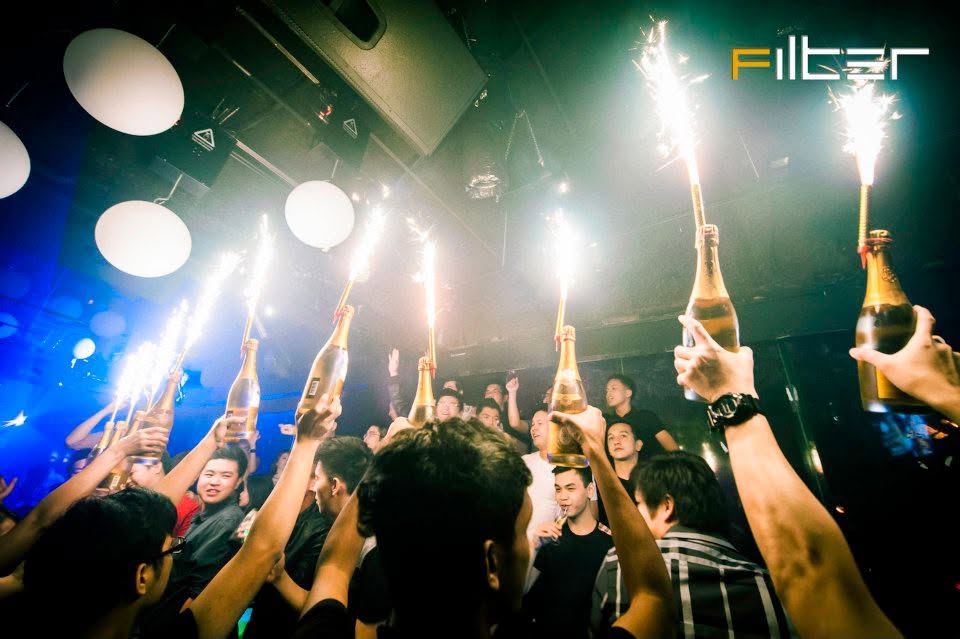
We were the first in town to do bottle rituals with sparklers. We'd been designing our own parties for years, so we shot out of the cannon ready to innovate. My finger was on the pulse, and my oh my, was Singapore ready for it.
02
You on the list?
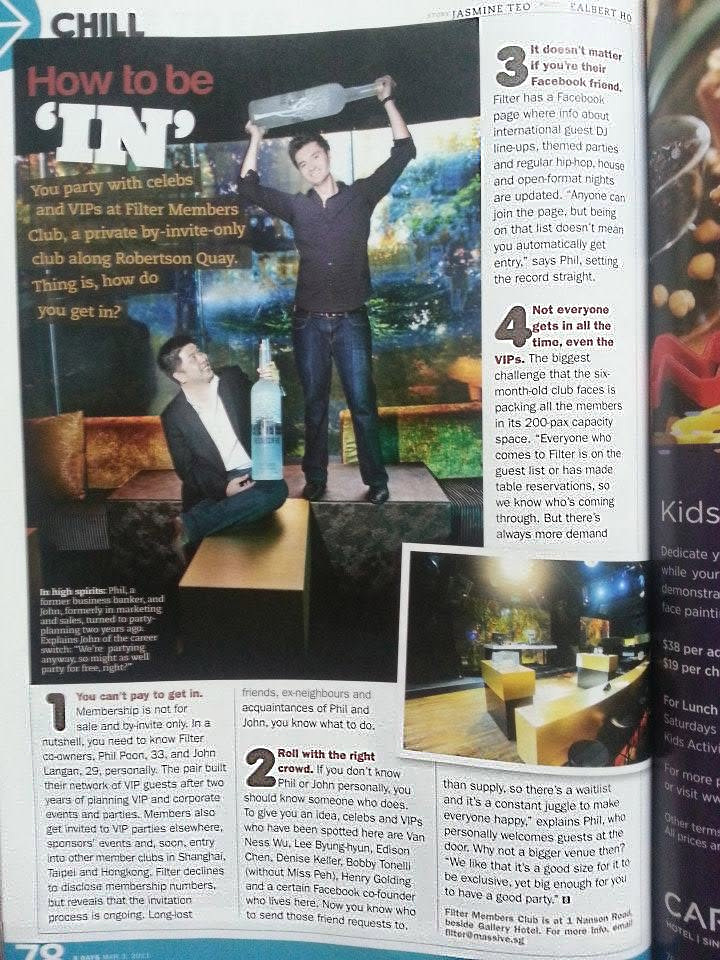
We called it Filter Members Club, and in a way it was: you needed to be on the guest list to get through the door, but the funny thing was, there was no membership for sale. We ran it more like the Hollywood clubs I'd come from, where the gender balance and social mix are the product. The test was simple. Do you know me, Phil, or Ben? Do we trust that you will enhance our party tonight?
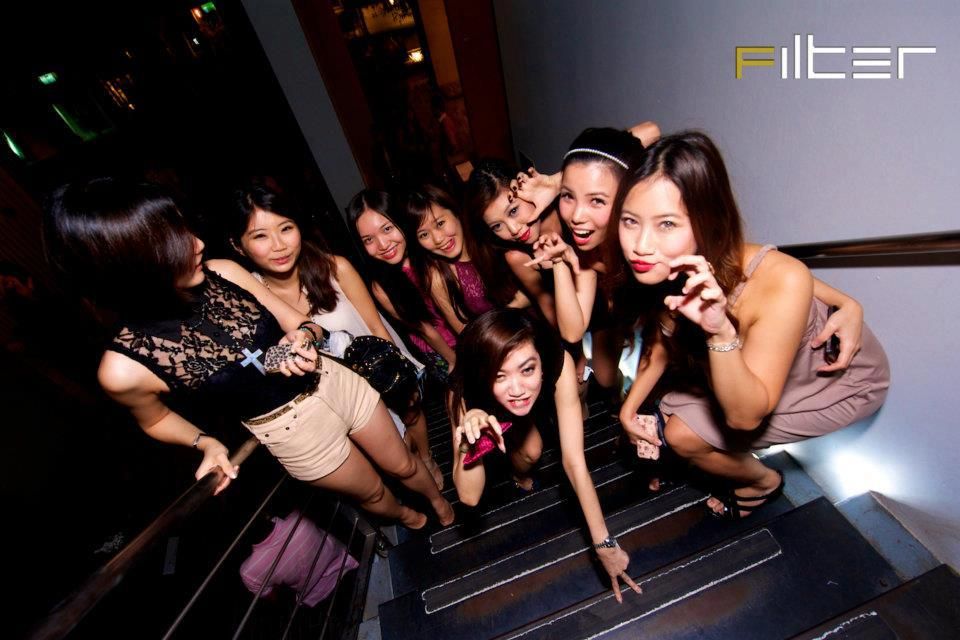
Give us a good girl to guy ratio and everyone in the room wins. Big all-guy groups were penalized with higher minimums. The city had been waiting for a room like this, and word of mouth did the rest.
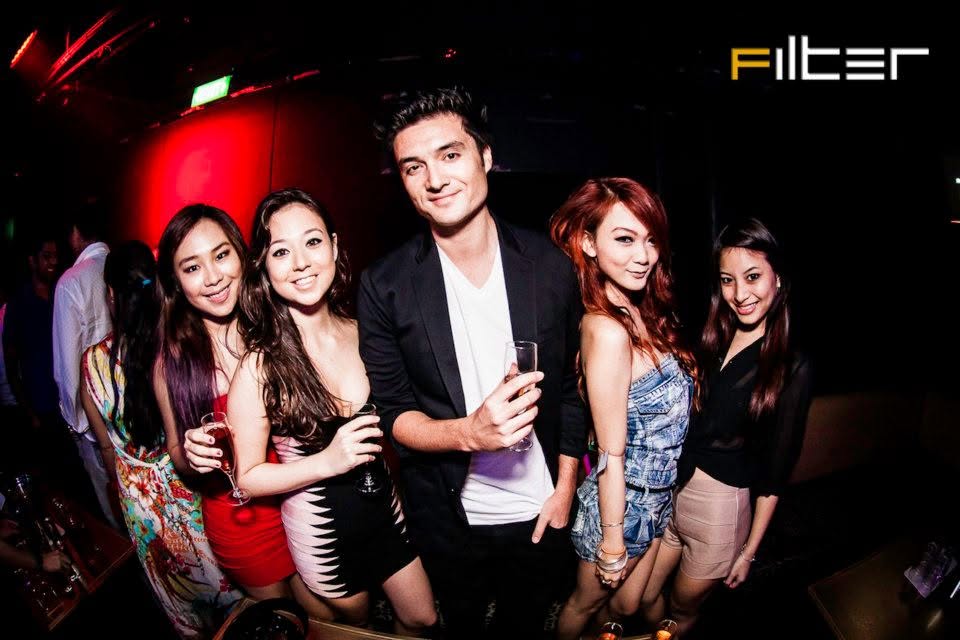
That curation was the product. No guys under 25, no entitled expats who showed up like Singapore owed them a table. We were, in effect, the all-star room: the top tables from every other club in Singapore, gathered in one place, which was pretty wild when you think about it. If you made it into Filter, you were someone in the loop, and everyone knew it. A lot of real relationships started there, business deals and more than a few couples, because the door itself was the vetting.
People also reached out to book tables directly. If we had the space, you could get in on a soft referral sometimes, but you'd start at a corner while we watched how you behaved. Be a good guest and you were welcome back; turn out to be difficult and we simply never took your booking again. We were at capacity most nights, so we could afford to be that disciplined. One bad table can poison a whole section, and the whole concept ran on the vibe.
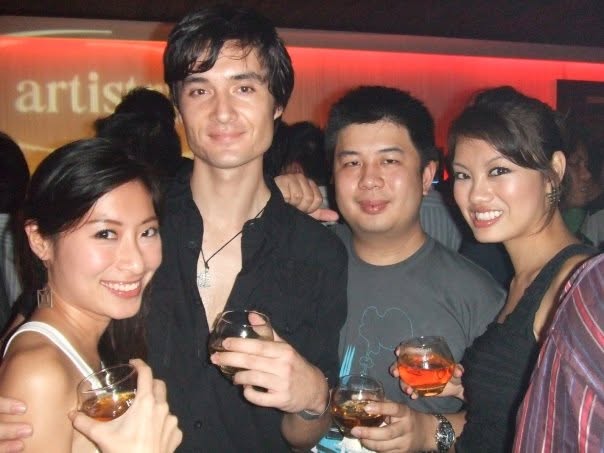
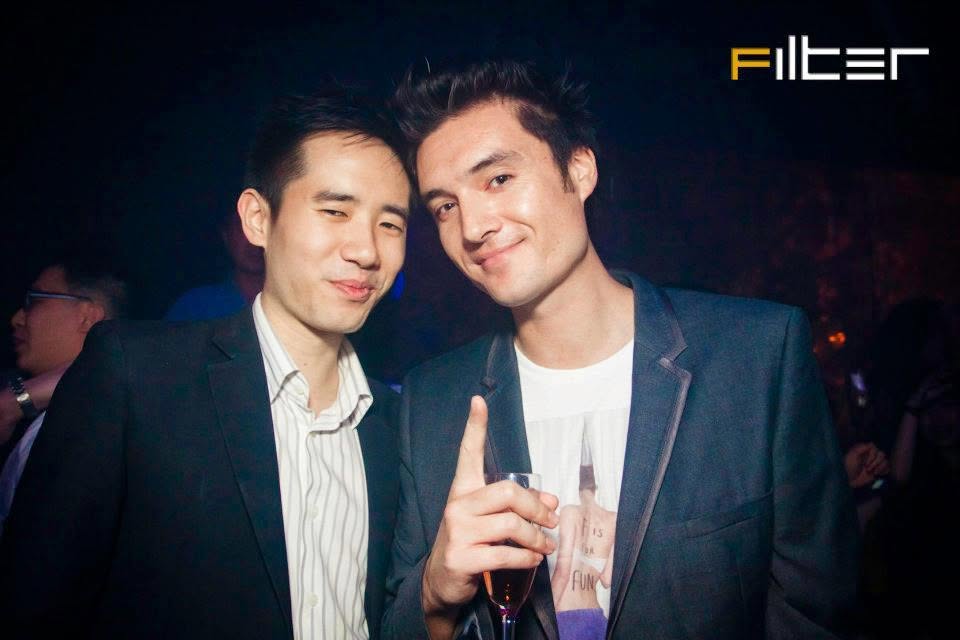
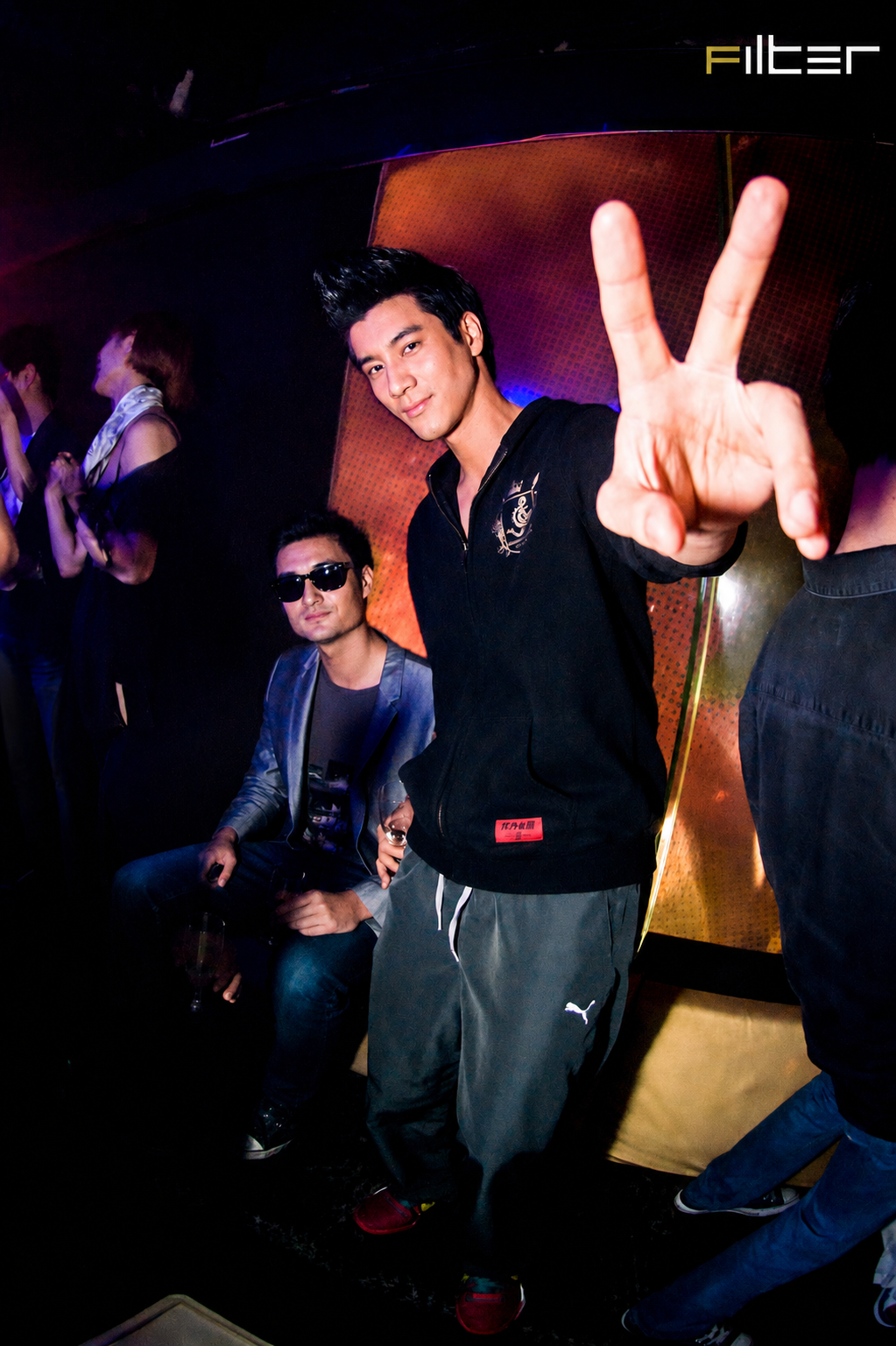
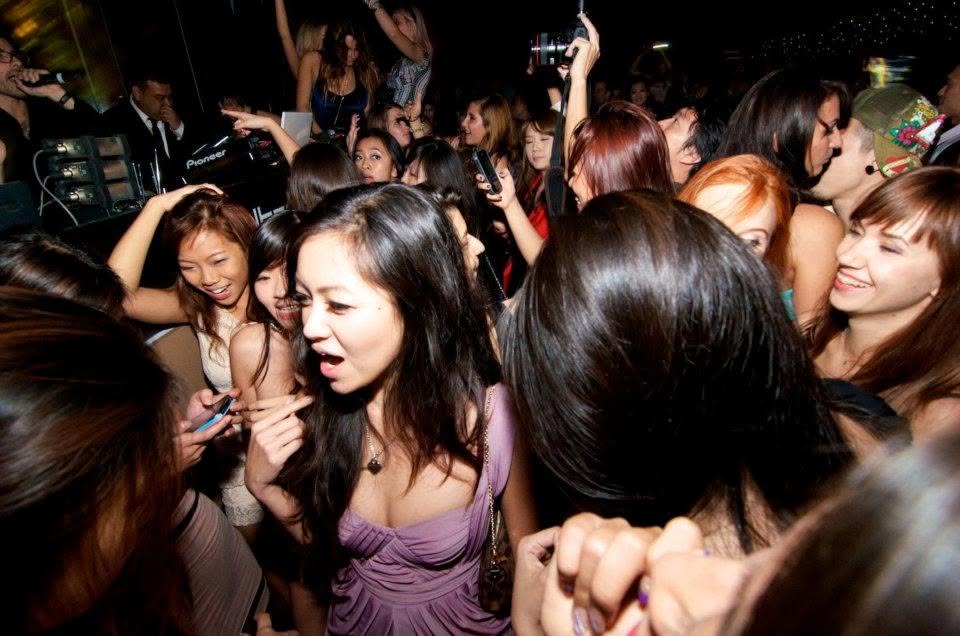
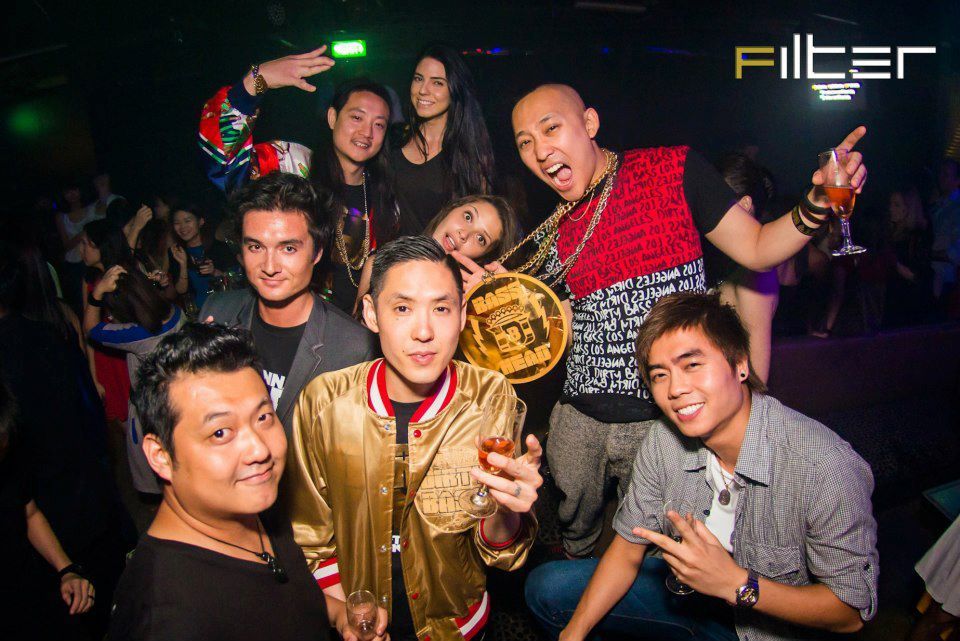
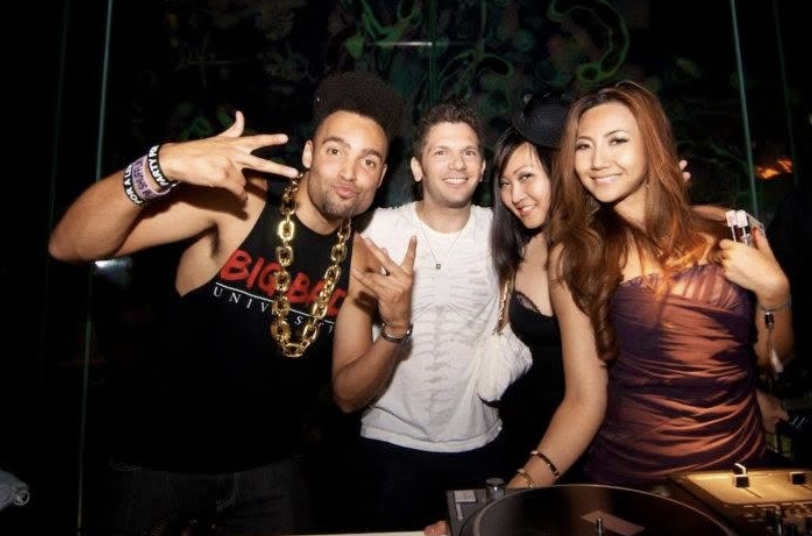
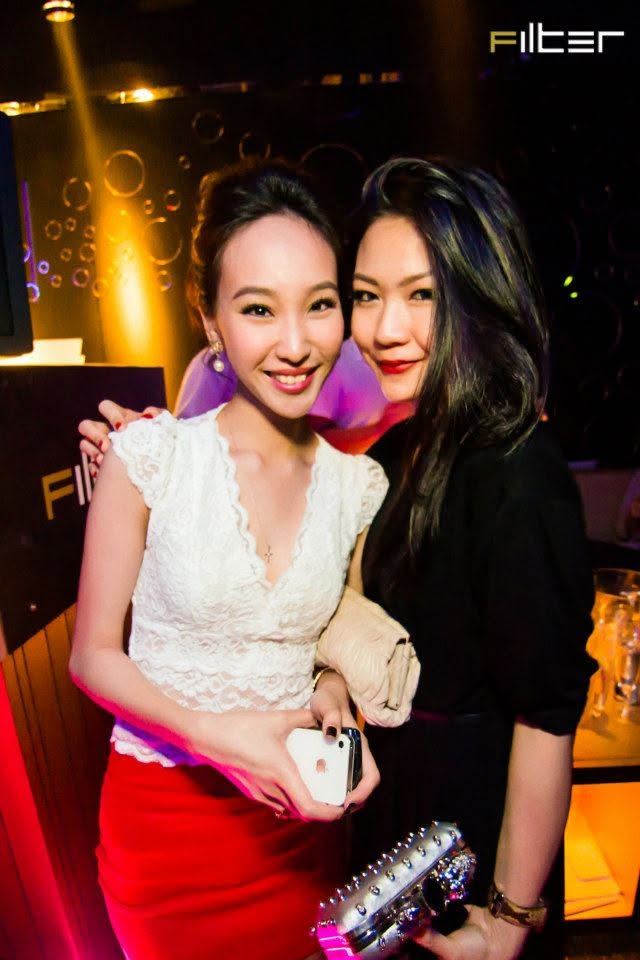
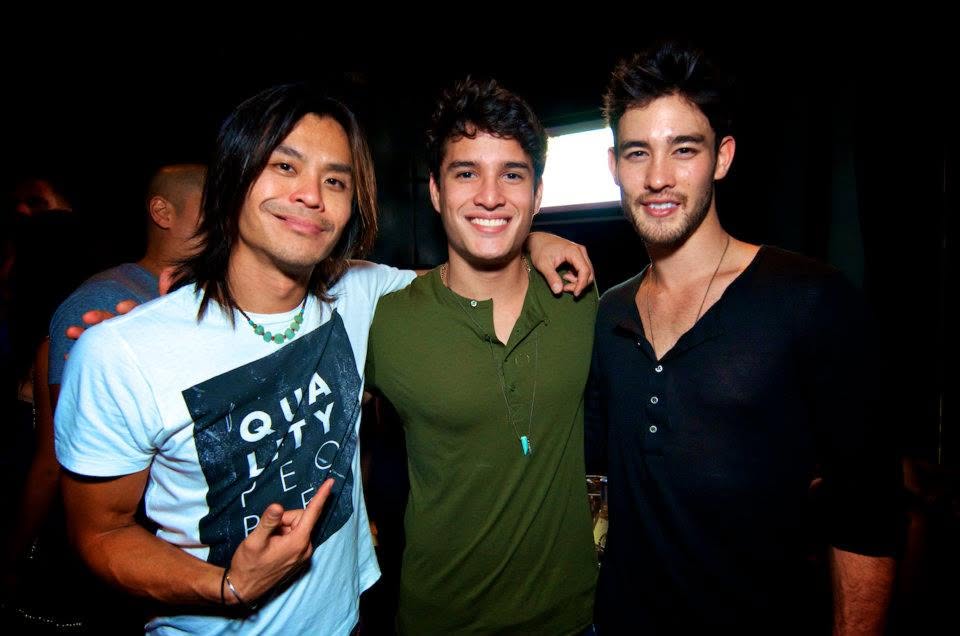
And Filter was the who's who. This was before influencers existed, so the crowd was the influence: the hottest K-pop band on the planet, English Premier League players, tycoons, and good-looking people everywhere you looked. It was an amazing time, an amazing moment, amazing people, and the music and the atmosphere only made it that much more unforgettable.
03
Status as experience design
Every ritual was designed to do a specific job: make spending visible, make regulars feel ownership, and give people something to post and show their friends.
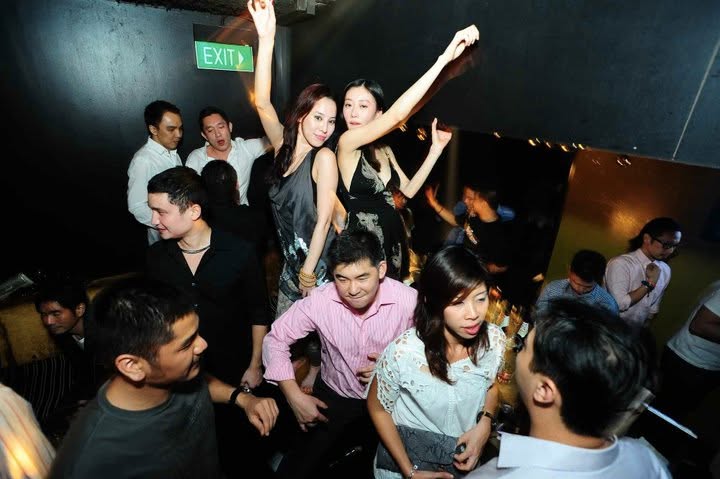
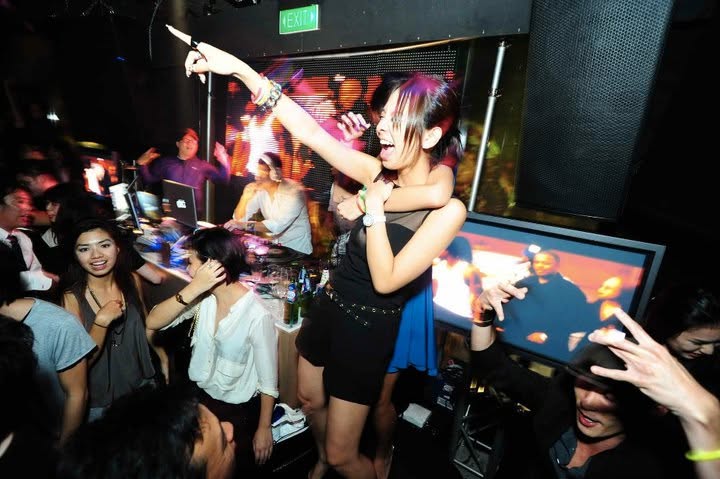
Dancing on sofas. A seemingly insignificant thing, but before us none of the clubs allowed guests to stand on the sofas to drink, dance, and look around. Partying up above everyone takes the energy to another level. Every table became its own stage, with the whole room as the audience.
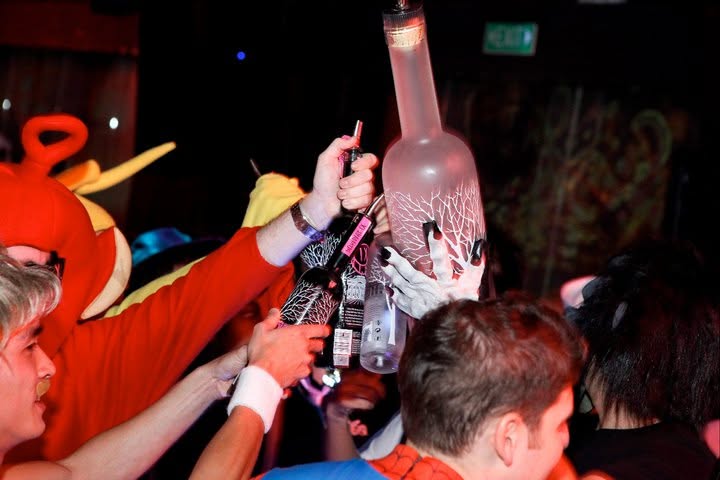
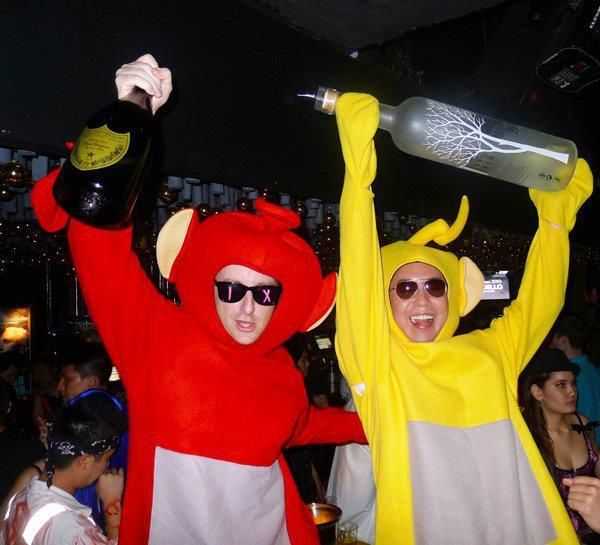
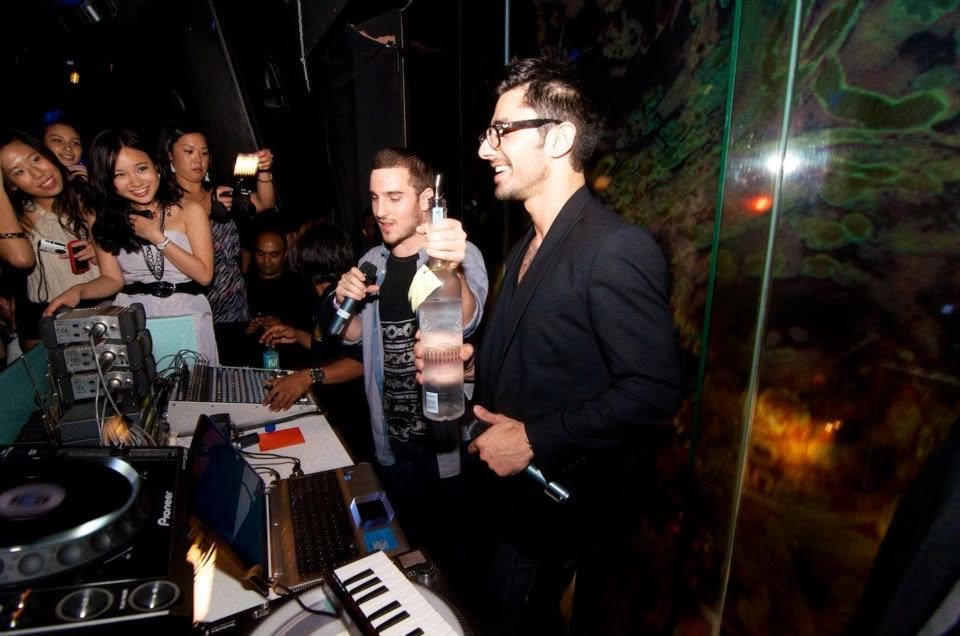
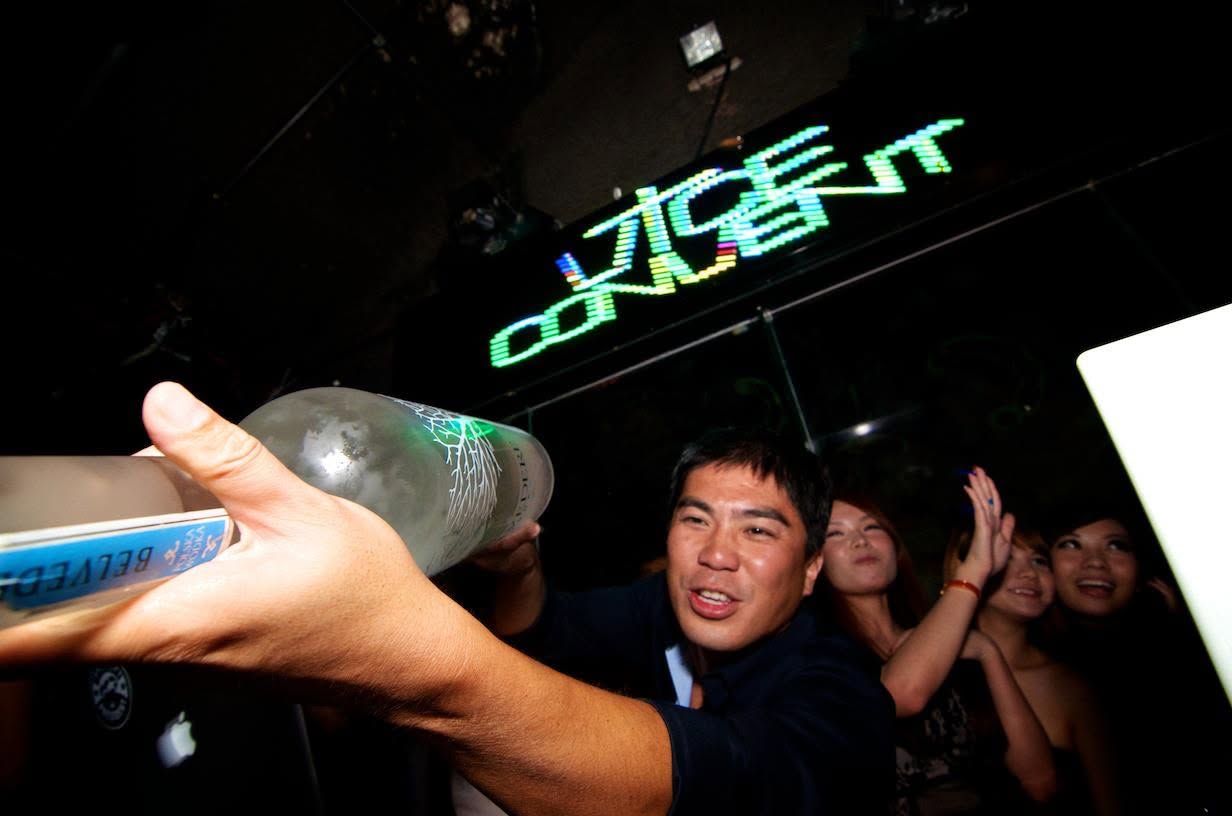
Giant Belvedere & Moët bottles. A brand partnership that made spending theatrical. An announcement, not a drink order. The Belvedere bottles were underlit and the Moëts had crowns, and we even got custom speedpourers for the 6L Belvederes so you could cannon-bottle someone with one.
Champagne trains. Coordinated service theatre across multiple tables at once. Sparklers, procession, full-room attention, and I'd jump on the mic for custom shoutouts. Spending as performance. We were the first club to run these in Singapore, now the standard across the island.
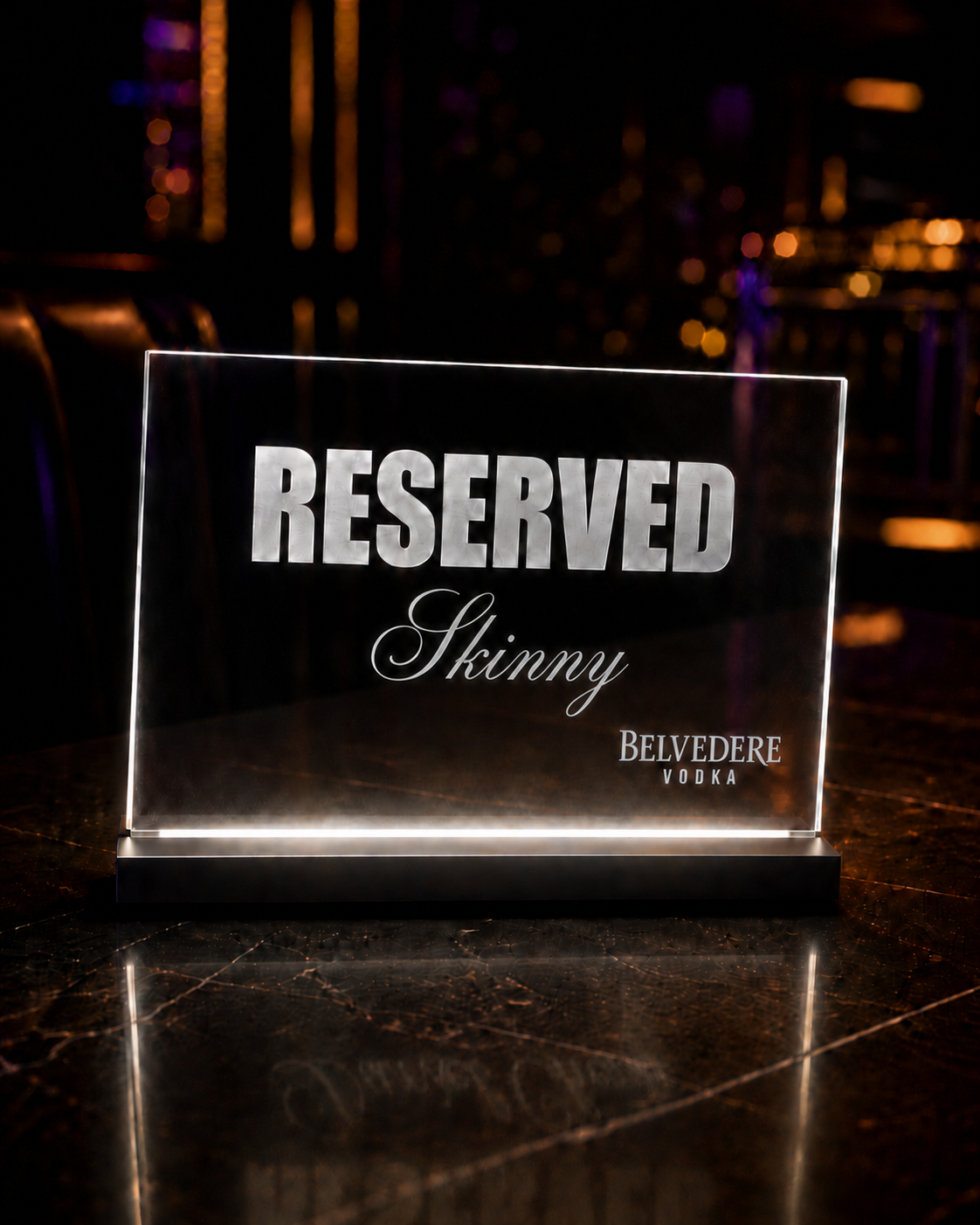
Custom table placards. Belvedere had them laser-printed on crystal-looking placards. Your name, your table, week after week. The big spenders loved it, and the placard had people asking who they were before they even sat down.
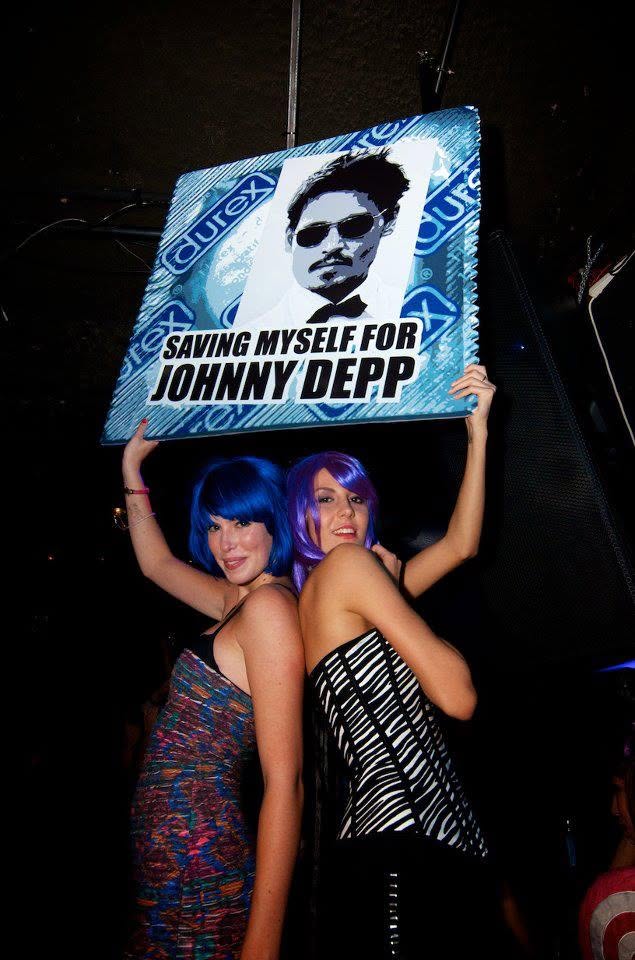
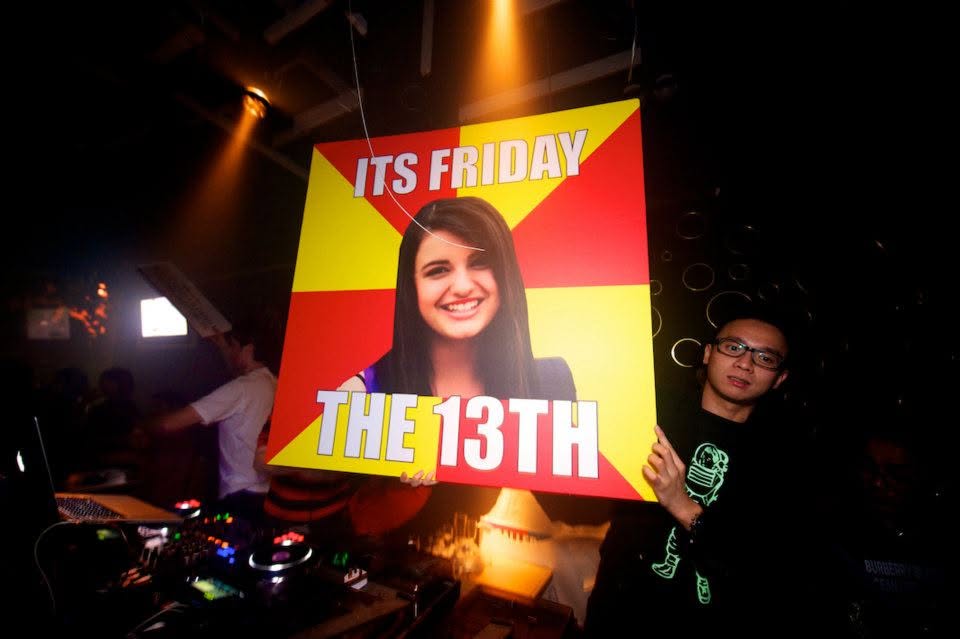
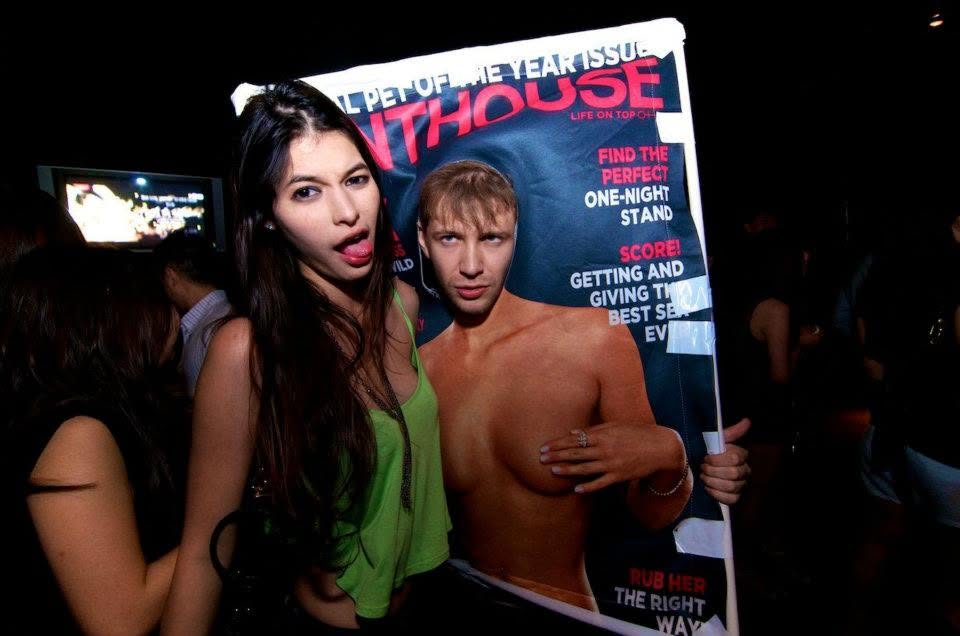
Meme cutouts, Facebook Photo Albums, and our “online persona”. Social content before Instagram. Tagged albums, custom memes, bottling shots, an inside language only Filter guests understood. Back then, Facebook photo albums were where the comment sections popped off. We engaged our regulars there, cracked jokes, and won the algorithmic battle by being funny, on trend, and a bit of a jester (me essentially lol).
Social media shoutouts. KOLs before KOLs. We featured the right people. The audience distributed the brand. Zero paid reach needed.
04
Energy by Floorplan
Nothing about the layout was random. Every section had a job to do.
Functional layouts to optimise energy flow have always been my jam, but this was the first time I did it for my own venue, and this one slapped so hard the team has used it for new venues long after I said my farewells to Massive Collective.
The brief was to keep the buildout cost to a minimum, so we just played with the tools at hand. We were lucky to have a very strategic location, right next to Gallery Hotel at Robertson Quay, in the general vicinity of the other nightlife players of the time.
Here's the part I was insistent on: I programmed the energy through the layout. The biggest call was shrinking the dance floor down into more of a mingling space by adding those long high tables, barely a dance floor at all. Nobody in Singapore had done that.
The point was never to stand and watch a DJ, it was to be seen, to bump into people, to talk to strangers. It became a mixing zone instead of a place to dance, and in doing so we'd basically created a whole new genre of nightclub.
It essentially became a big bar where people mingled, chatted, and danced a little, but honestly most of the dancing happened on the actual sofas and on top of the tables. We also installed two podiums next to the DJ that became super hot commodities, no dudes allowed (sorry Mambo fam).
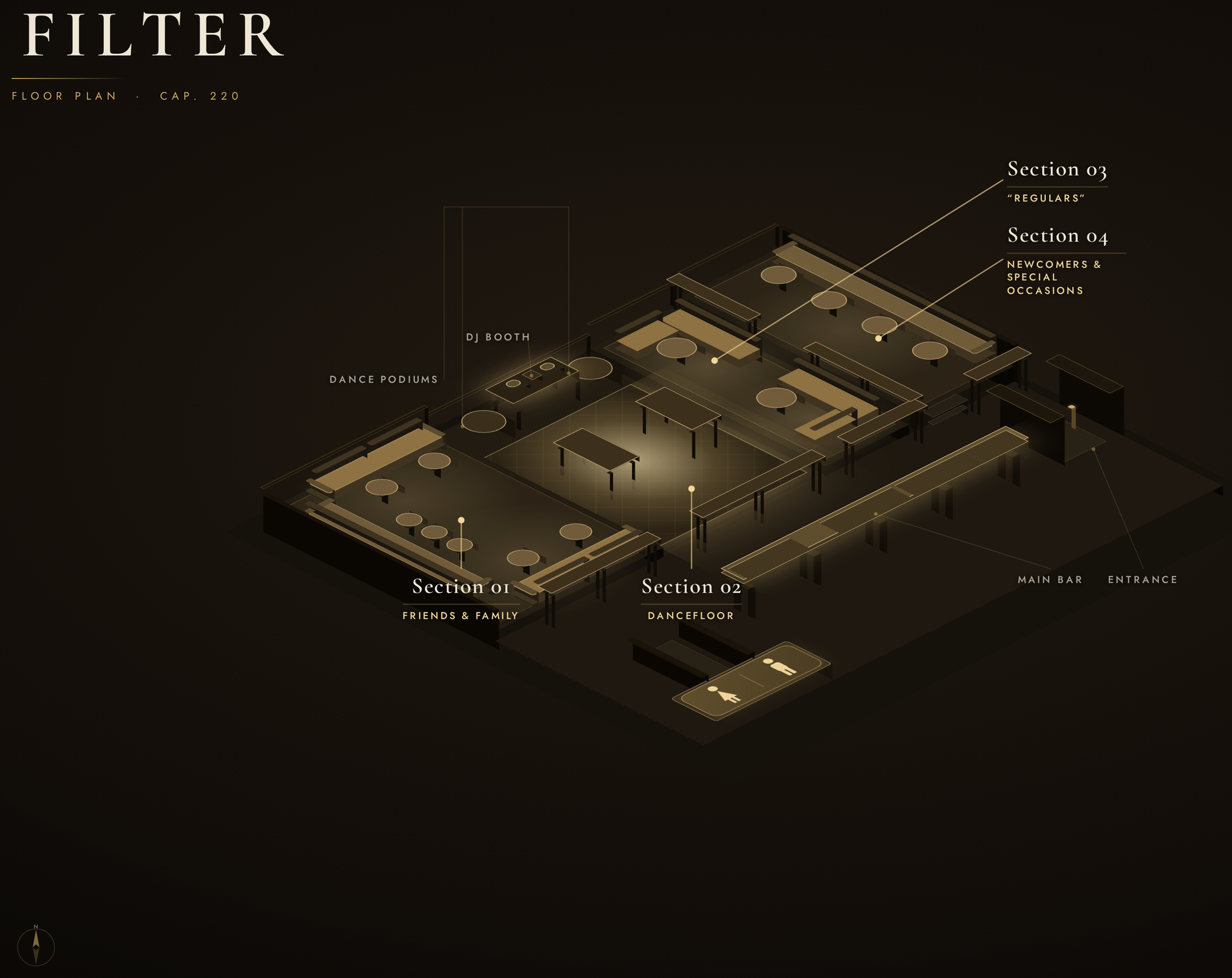
The dance floor sits one level below Section 1 and Section 3 (see visual below), so you get a bird's-eye view of everyone heading toward it, and it was perfectly set up for offering random girls drinks, via champagne glasses, loose drinks, or the Belvedere Cannon. The edge tables were essentially permanently choped by Daniel Cheng, Anthony Pang, Victor Goon, and the PFR Gang, with the others rotating between a few trusted friends.
The queue situation was also a scene of its own on certain nights. There were long lines if you came after 11:00pm, and unless you had a table or were very tight with ownership, you often waited.
Hover to zoom
Section 1, Friends & Family. This is where we put most of our regular table bookers, and a lot of the high-level networking happened here, because if you look closely all these tables share the same mingling zone, so it's almost a club within a club. If there was a ‘VIP area’ at Filter, this was it. These tables were booked with intent; bringing a stranger into this zone could affect the whole area, so we were careful who we sat there.
Section 2, Dancefloor to the Bar. If you had a smaller group, say three or four people, we always recommended a ledge somewhere in this space, and the dancefloor ones in particular we were very particular about. We wanted it to stay welcoming, so at least with friends we could tell them to calm down if they got too hyped. We rarely booked new bookers into this space; we simply told them it was full. If you think about it, all these ledges were built for meeting people, because if you're a girl without friends there you're probably going to gravitate toward the bar or the dancefloor.
Section 3, Regulars. The PFR Gang and Victor Goon. These groups put on a show most nights and hosted a lot of regional celebrities and big names, and we still remain close friends to this day. There's a small half-wall and staircase up to Section 4 from here, so there's a bit of separation, but it still feeds off the dancefloor energy. It felt like a VIP area, with even more exclusivity than Section 1.
Section 4, Newcomers & Special Occasions. Common for big birthday celebrations because of the extra space. We were strict about people booking two tables since it hit our bottom line, but if we were going to allow it, it usually happened here. It's also where we'd put first-time bookers or people we didn't know well, to gauge their behaviour. The whole box could be booked and roped off, which happened a few times for a big minimum.
From there the night ran in levels. The main tables were the theatre: bottles, champagne trains in full view, regulars made into characters. People were paying for that real estate, so we leaned all the way in: dancing on the sofas, up on the podiums, table-tops, we encouraged the whole spectacle. It made people feel special, and that kept them in the room longer, having more fun and spending more. Every zone had its own personality, its own level of the night, and you often moved between them.
We brought a whole culture of excess to our network, the bottling, the dancing, the connecting with strangers, and our crowd loved it.
05
Anthems Only
I worked very closely with our resident DJs to craft the ‘Filter sound’. Most clubs would run some bangers, then dip the energy so the floor drifted to the bar to buy drinks. We made a conscious decision to not do that. Something like 90% of our volume came off the tables and the bottles, so we just kept the bangers coming and the energy high, singalongs prioritized, with the anticipation the crowd would love it (Spoiler alert: they did).
My DJs and I got very good at catching those tracks early, months before they blew up, so for many of our regulars Filter is where that song lives forever.
Our crowd came to get wasted and drink volume. Just as Filter was opening, two huge club anthems had just dropped:
“Gimme that Moët, gimme that Cristal. Ladies love my style, at my table gettin’ wild. Get them bottles poppin’, we get that drip and that drop. Now give me two more bottles cuz you know it don’t stop.
Far East Movement, ‘Like a G6’
If you ain’t getting drunk, get the f*** out the club. If you ain’t taking shots, get the f*** out the club. If you ain’t come to party, get the f*** out the club. Now where my alcoholics? Let me see ya hands up.”
LMFAO, ‘Shots’
Far East Movement and LMFAO were making excess, ‘turning up’, and getting obliterated into the language of a great night out. These were literally our launch anthems. The giant bottles, champagne trains, and table rituals felt instinctive because the audience had already been primed for them. Our timing was impeccable.
Barefoot on the banquettes, champagne in hand, some perfect friday in 2012.
Far East Movement, old friends of mine from LA, came through Filter to support and show love. LMFAO rolled in one night straight from a concert, right as Party Rock was taking over the world. We were riding the cultural wave in real time. Then the new wave of EDM hit and we were living it: it started with Avicii's “Levels,” “Stereo Love,” “Lose My Mind,” and a series of hits by Alesso, Zedd, and Swedish House Mafia. We leaned into the meme singalongs too, “I Just Had Sex,” “Call Me Maybe,” and it exactly matched the fun, silly, internet meme energy we set out to create.
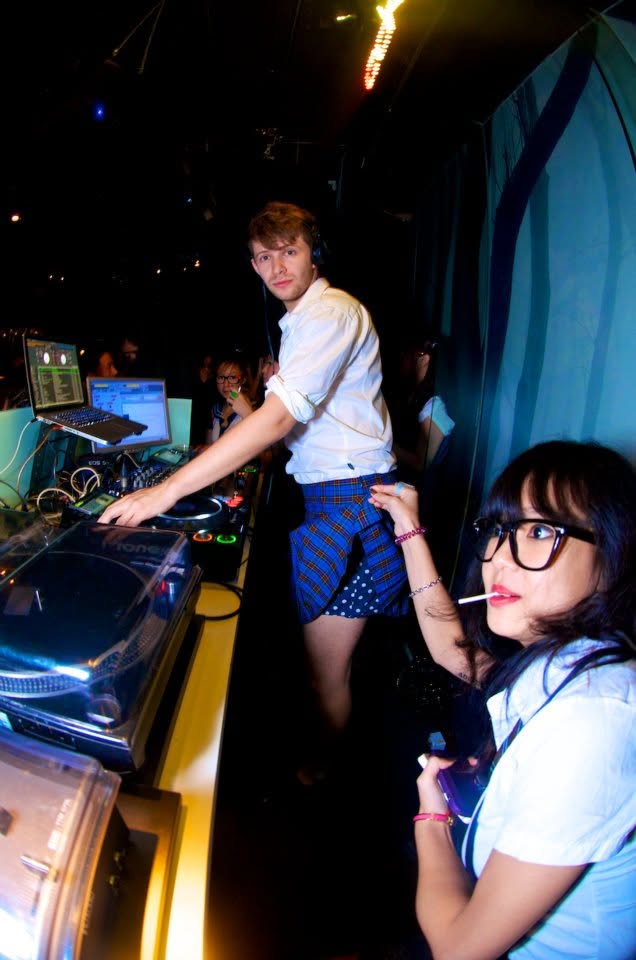
Hush FridaysFeaturing DJ FM. The main event. Hit-driven, hip-hop and electro leaning. Our crowd was more mature and more corporate, so they were more likely to go hard on Friday nights to blow off steam.
Bangers & MashResident night with Nad-Trix, roughly once or twice a month. More remixes and mashups than Friday.
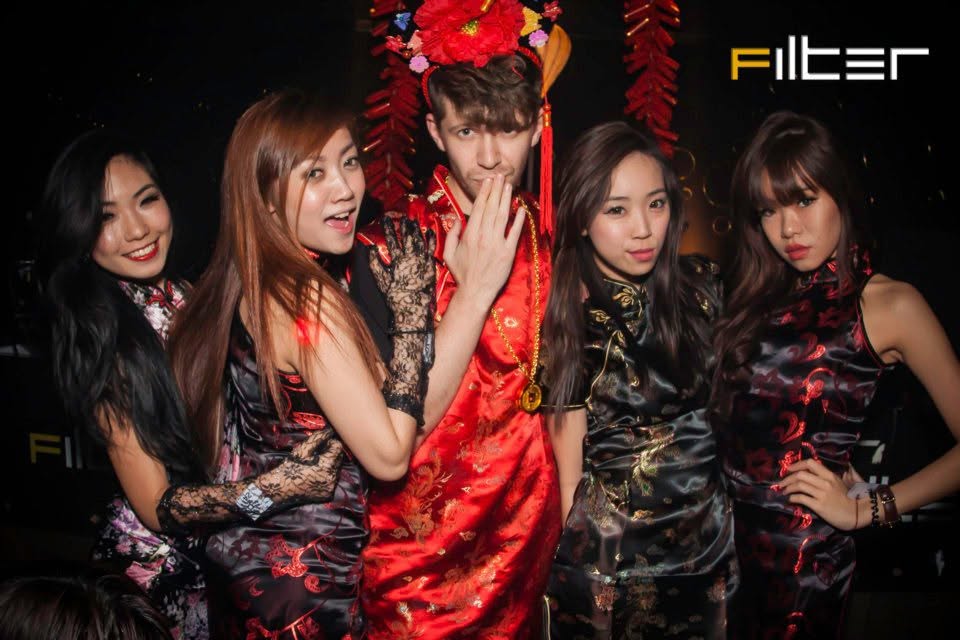
Vice ConventMonthly dressed theme night, edgy and directional. Built around Stas, who became one half of Rave Republic, DJ Mag Top 100.Peak
Guest DJsPresented and booked by John Bosco: Smith Agent Smith, Sex Panther, DJ Vice, DJ Beatbreaker, Mitomi Tokoto with the CyberJapan Dancers, DJ Jazzy Jeff, Solarstone, DJ Bento, Kaku, Sungus, Pikazim, and The Cataracs, among others.Global
The Cataracs, who produced ‘Fly Like a G6,’ performed live for our anniversary party. Niles, on the right, has gone on to become one of the biggest EDM names in the world: KSHMR.
Vice Convent was our monthly dressed theme night, sexy and completely off the wall. They became some of our highest-revenue and most-anticipated nights, and Stas was dropping a lot of the new electro and EDM on those, which pulled in more of a music-loving crowd as an alternative to our more corporate Friday crowd. The music heads became our second tribe alongside the Friday regulars, which meant twice the stories getting told on Monday. And nothing spread the Filter name like pictures of that crowd in full theme.
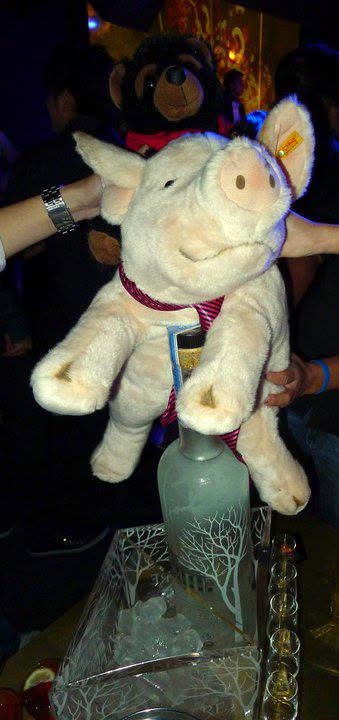
Bosco conceptualized a sister night, DJ Killed the Video Star, where we'd deck the whole club out like a trending music video of the era. Halloween and Christmas got the same treatment: more edge and more sexiness than other offerings in town, riding the Hollywood trends in music and style. This was really us reading where US nightlife was headed and adapting it for the local market. We were tough to beat back then. I had a really good feel for what was coming next. Later on we integrated mascots into the party experience, created custom portable scrolling digital signage, and gave away branded teddy bears as part of our champagne service rituals, all firsts for the region in nightlife.
And Stas, our resident, was always down to get silly with the themes, the music, and the antics.
06
The receipts
Three years. Word of mouth only. The highest revenue per square foot in Singapore nightlife.
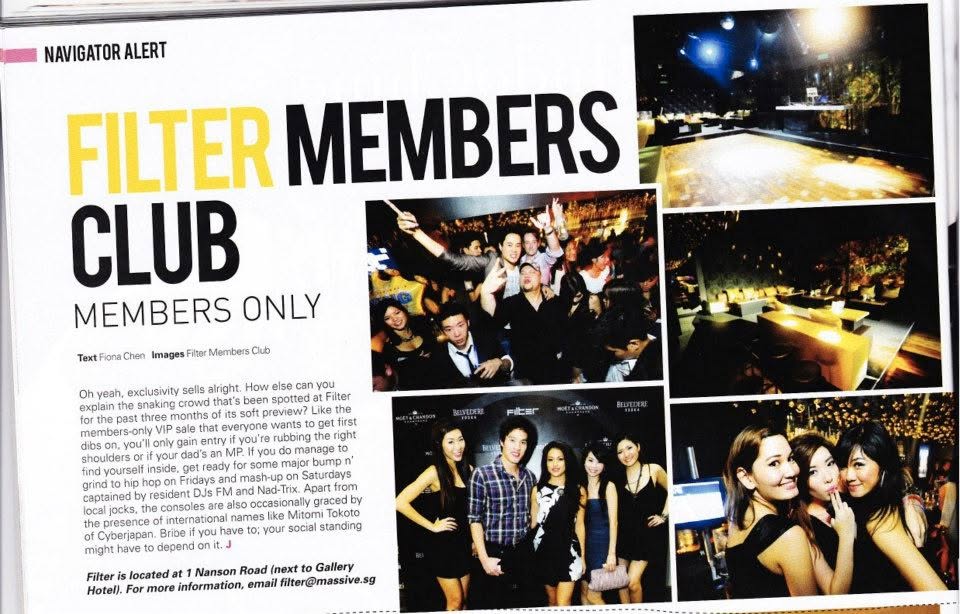
Filter pulled the region's most recognised faces and the core of Singapore's business elite, without a single advertisement or media buy. It drew BBC News, Channel News Asia, and The Straits Times. A room with no advertising pulling Asia's most recognisable names without announcing them was a story that wrote itself.
Phil and I were both named to the Straits Times Power List during Filter's run, twice. Filter was Singapore's first ultra-VIP members club, and not long after, boutique, exclusive nightclubs became the rage all around Singapore and the region.
RevenueRenovation recouped within months.#1 PSF
PressBBC News, Channel News Asia, The Straits Times.Earned
RecognitionStraits Times Power List. Phil Poon and John Langan, named twice.×2
TalentResident DJ Stas, now one half of Rave Republic. House photographer Hakim, now touring global festivals with the world's top DJs.Discovered
07
Knowing when to leave
By 2013 we were getting more offers for more projects at scale, and our new club Mink (over triple the size of Filter) was a monster and had potential to be more. Which meant we were competing with ourselves, and this was a totally different animal. We'd mastered that moment, so we put it down and went to build the next one, opening a string of venues and developments (Fenix Room, Providence KL, 50 Raffles Place, Bang Bang, Suite 26, among others) and growing Massive Collective from a scrappy startup into a serious hospitality group with a real name in the scene.
08 The thesis
Filter proved something specific: if you identify a community with enough precision, and design exclusively for them with enough discipline, the concept sells itself.
The venue was the container. The community was the asset. The rituals were the packaging. The content was the distribution.
Without the above, a beautiful venue and smooth operations won't get you there. Plenty of operators have both and nobody cares.
Would Filter work in today's climate? Probably not. Trends change, the tools change, and status games don't play by the same rules in 2026. But could someone who genuinely gets this generation build something just as fun? Sure. I actually think VIP is due another cycle soon. The next wave will be won by the people who understand how to design belonging, and understand the consumer, head to toe.
That was me and my team in 2010. After Massive Collective I carried the same instincts to Zouk Group, and today into Blue Root and Origami Hospitality. If you're curious you can see some of that work here.
What a time it was to be alive and creating, and the relationships we built back then, this new generation will never quite understand bonding in this type of setting. I don't think it'll ever be the same in our lifetimes. That was thirteen years ago. I still meet people who tell me nothing since has come close to Filter. For someone who builds experiences, that's as good as it gets. Hope you all enjoyed this trip down memory lane ❤️
John Langan
Founder & Principal · Blue Root · Origami Hospitality